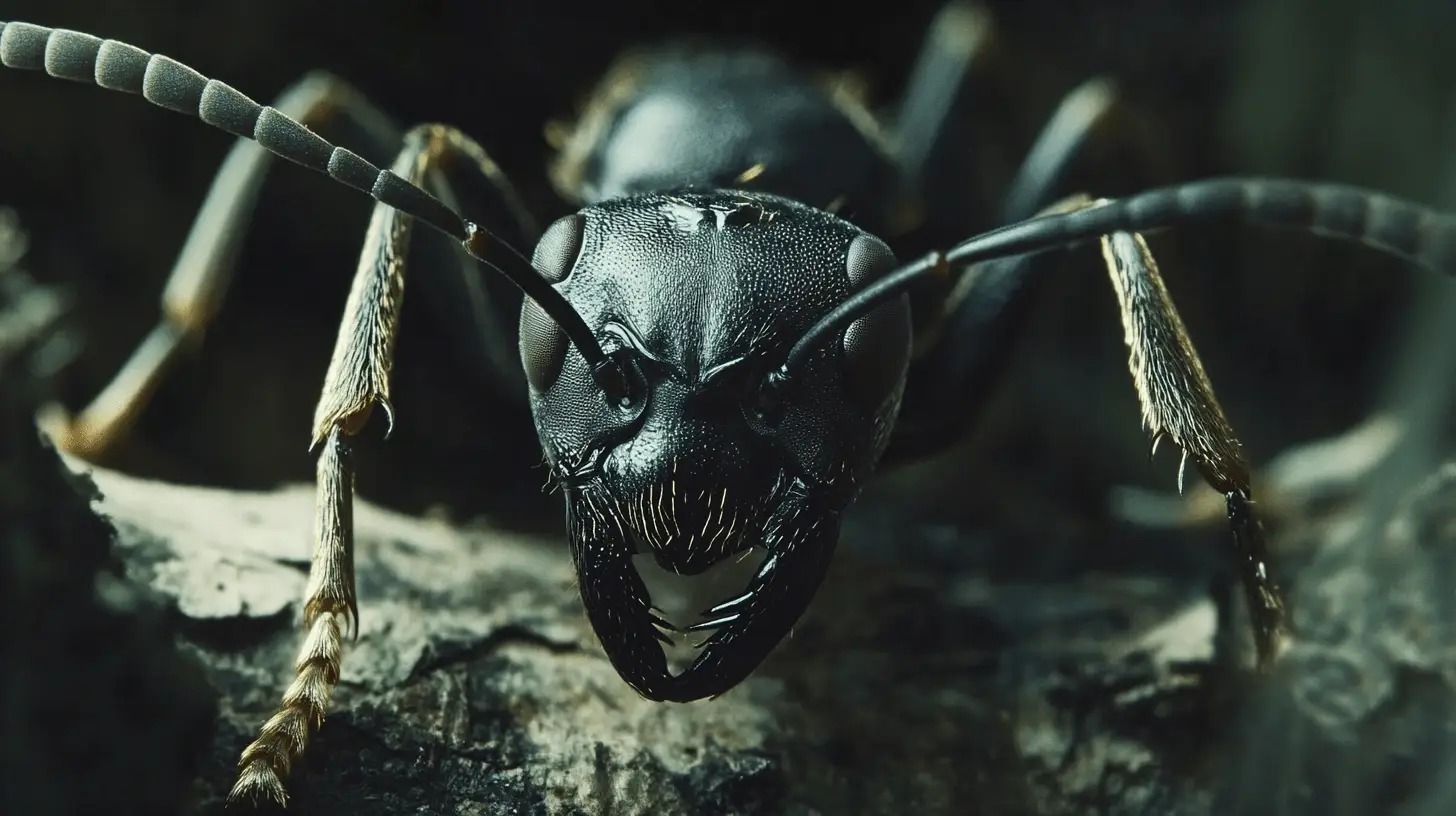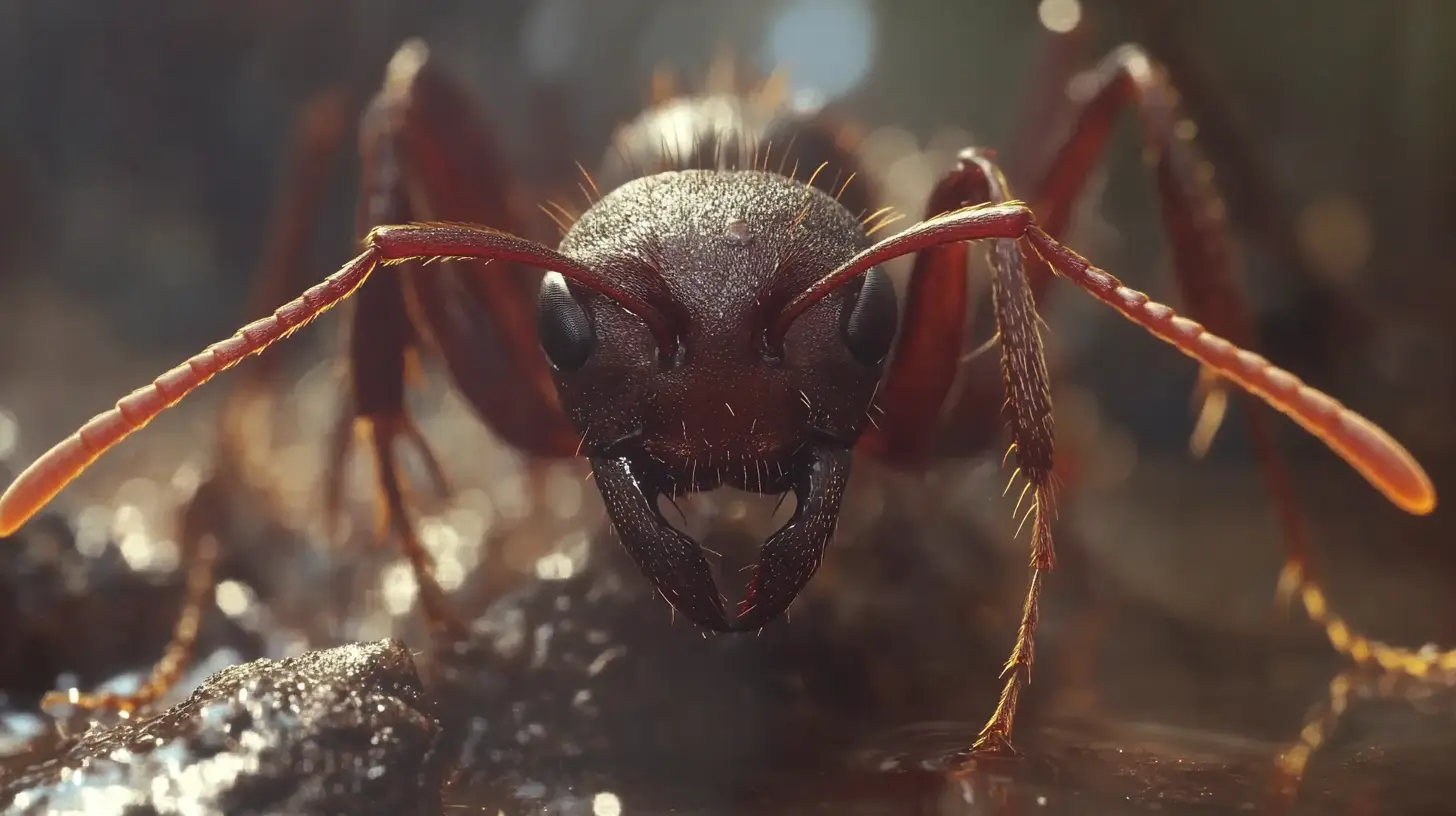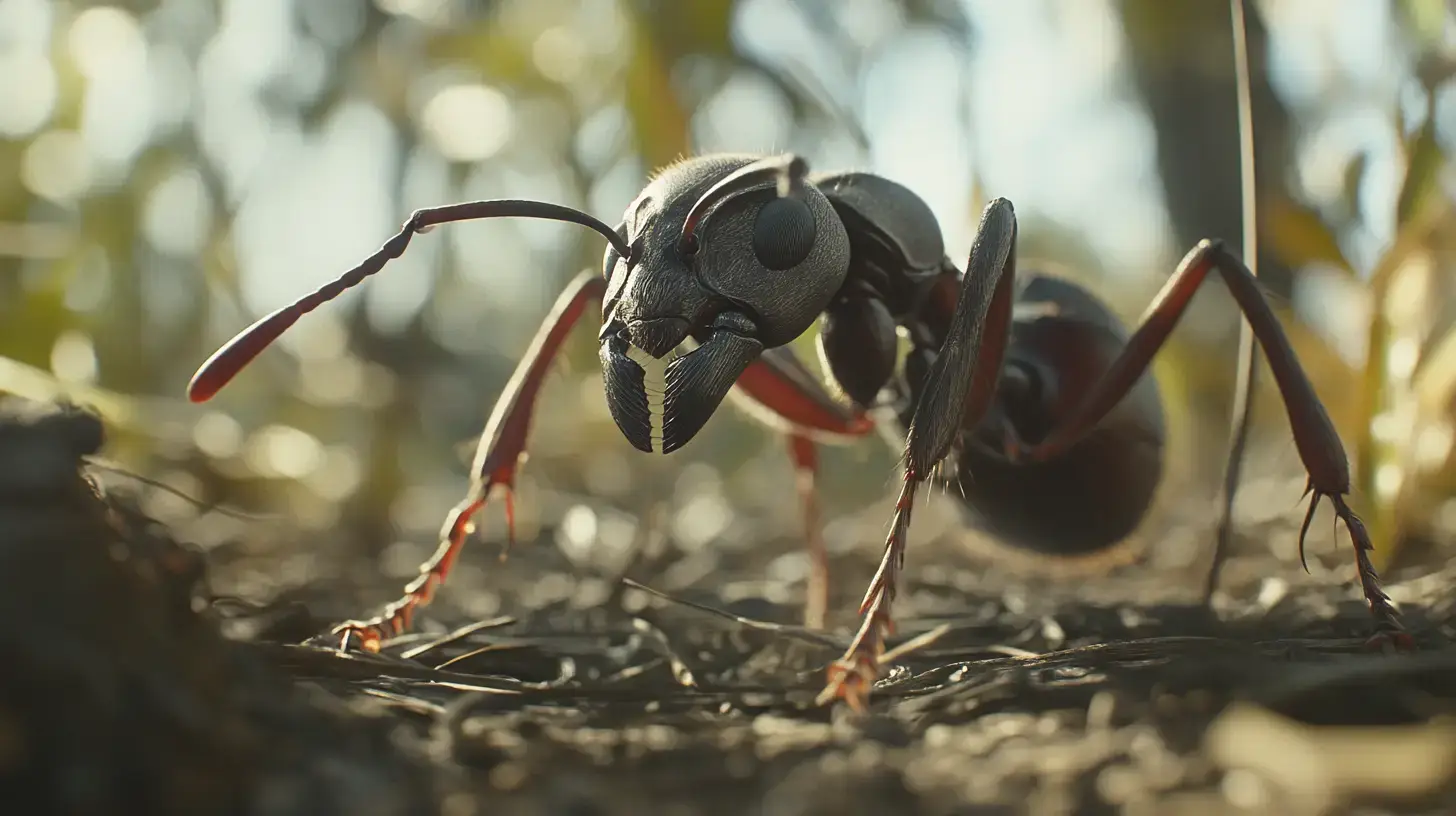
Flying ants are not a separate kind of ant. They are the winged males and queens-to-be of an ordinary ant colony, leaving the nest to mate. When a swarm turns up around a Bradenton home, the two questions that matter are whether the insects are ants at all (termite swarmers look similar at a glance) and whether they came from a colony inside the house. This guide covers how to tell ants from termite swarmers, what UF/IFAS says about when two common Florida ants fly, and what a swarm indoors does and doesn’t tell you.

What flying ants are
Ant colonies produce winged reproductives, called alates, that leave the nest on mating flights to start new colonies. UF/IFAS describes the Florida carpenter ant this way: “Winged reproductives fly in the evening or night during the rainy season (May through November)”. The same publication notes that alates are seen “from spring to fall, depending on the area and environmental conditions.”
A swarm is a dispersal flight, so it points to a colony of that species somewhere within flying range. Where that colony lives (a tree, a stump, a neighbor’s yard, or your own wall) is the part a swarm can’t tell you.
Flying ant or termite swarmer?
This is the most common mix-up, and it matters because the two are handled very differently. UF/IFAS lays out the contrast for winged ants and termites in its carpenter ant publication:
- Antennae: ants have elbowed antennae; termite swarmers have beaded, straight antennae.
- Wings: a winged ant’s front wings are larger than its hind wings; a termite swarmer’s front and hind wings are the same size.
- Waist: ants have a constricted waist; termite swarmers have a broad one.
A close look with a magnifier or a sharp phone photo is usually enough to sort the three features. These are clues for sorting what you’re looking at, not a substitute for a species identification. UF/IFAS notes that termite identification usually needs a microscope or high-resolution camera even for an experienced identifier. If the insects have equal-sized wings and no waist, read our termite swarmer guide next.
Which ants fly, and when UF/IFAS says they do
Many ant species produce winged reproductives. These are the two for which this guide cites a UF/IFAS timing, and both are Florida-wide descriptions, not Bradenton-specific calendars.
Florida carpenter ants
Per UF/IFAS, carpenter ant complaints are numerous “during the spring swarm season, usually between April and June, when winged reproductives are often found in homes”, and the evening and night flights run through the rainy season (May through November).
What the nest means is more modest than the name suggests. UF/IFAS says Florida carpenter ants “seek either existing voids in which to nest or excavate only soft materials such as rotten or pithy wood,” unlike the black carpenter ant, which damages wood. They also hollow out wood softened by moisture or fungi, and are attracted to kitchens, bathrooms, and other rooms with water leaks. Bits of ejected debris called frass, made of excavated material and pieces of dead insects, can show where a nest is. Our Florida carpenter ant ID page shows what the ants and frass look like.
Red imported fire ants
UF/IFAS says fire ant “mating flights usually occur midday on a warm (>74°F/24°C), sunny day following rain”, with six to eight flights between spring and fall, each with up to 4,500 alates. That midday, post-rain pattern is different from the evening and night flights of carpenter ants, so the time of day you see a swarm is one more clue.
Everything else
Other ants swarm too, including small species that live in and around buildings. For those, the practical answer is the same: save a few and get an identification. Our Florida ant ID tool and our ant control guide cover the usual species, and the flying ants guide goes through ant control steps.
What a swarm indoors does and doesn’t tell you
Winged ants indoors are a clue, not a diagnosis.
- It can mean a colony is nesting somewhere close. For carpenter ants, UF/IFAS says swarmers are often found in homes in spring, and the nest may be in damp or damaged wood.
- It doesn’t mean the colony is in your house, and it says nothing about whether there is any damage.
- It doesn’t mean the insects are ants. If wings are equal in size and the waist isn’t pinched, treat them as possible termite swarmers until someone confirms otherwise.
Where the insects appear and how often are the details worth noting. Winged insects emerging from a wall, a door frame, or the area under a window or bathroom, or turning up repeatedly over several days, are the kind of detail an inspector will want to hear about. A single flight seen outdoors on one evening after rain is far less informative.
What to do when you see a swarm
- Save a few. Put several in a small sealed container. UF/IFAS asks for soldiers or winged reproductives when identifying termites, and a few specimens help with identifying ants too. Photograph the wings and the body from above.
- Note where and when. Time of day, whether it had just rained, and exactly where they came from (a wall, a window, the soil) are useful for whoever identifies them.
- Check for moisture and frass. Look for leaks, damp wood, and small piles of debris near trim or window sills. Fix leaks you find.
- Get an ID before treating. Spraying a swarm doesn’t tell you what it was. If the insects might be termites, UF’s termite team accepts specimens at no cost, and Waves Pest Control’s termite inspection covers the foundation, framing, attic, crawl spaces, perimeter, moisture areas, and garage, with species identification and photo documentation.
Frequently Asked Questions
What are flying ants?
They are the winged male and female reproductives of an ant colony, leaving the nest to mate and found new colonies. They are not a separate species.
How can I tell a flying ant from a termite swarmer?
According to UF/IFAS, winged ants have elbowed antennae, front wings larger than the hind wings, and a constricted waist. Termite swarmers have beaded antennae, wings of equal size, and a broad waist. Confirming the species takes a close look or a professional inspection.
When do flying ants appear in Florida?
It depends on the species. UF/IFAS says Florida carpenter ant winged reproductives fly in the evening or night during the rainy season (May through November), with homeowner complaints most numerous from April to June. Fire ant mating flights occur midday on warm, sunny days after rain, between spring and fall.
Do flying ants mean I have an infestation?
Not by themselves. A swarm means a colony of that species is somewhere nearby, which could be indoors or outdoors. Where the insects emerge, how often it happens, and a species identification say more than the swarm does.
Do flying ants eat or damage wood?
Per UF/IFAS, Florida carpenter ants nest in existing voids or soft, rotten or pithy wood and do not do the structural damage that black carpenter ants do. Termites are the wood feeders, which is why separating the two matters.