Most ant advice fails for one reason: it treats “ants” as one pest. In Southwest Florida the right move depends on which ant is in your kitchen or yard, because a bait that works on one species can be ignored by another, and a spray that clears a trail can make some species harder to control. This hub guide is the starting point: how to narrow down the ant, why the method changes with the species, what to watch for with fire ants, and when a licensed pro makes sense.
UF/IFAS (the University of Florida’s extension service) puts the principle in one line: “Finding the nest is the key to control” (UF/IFAS Ants guide).
First, confirm it’s an ant
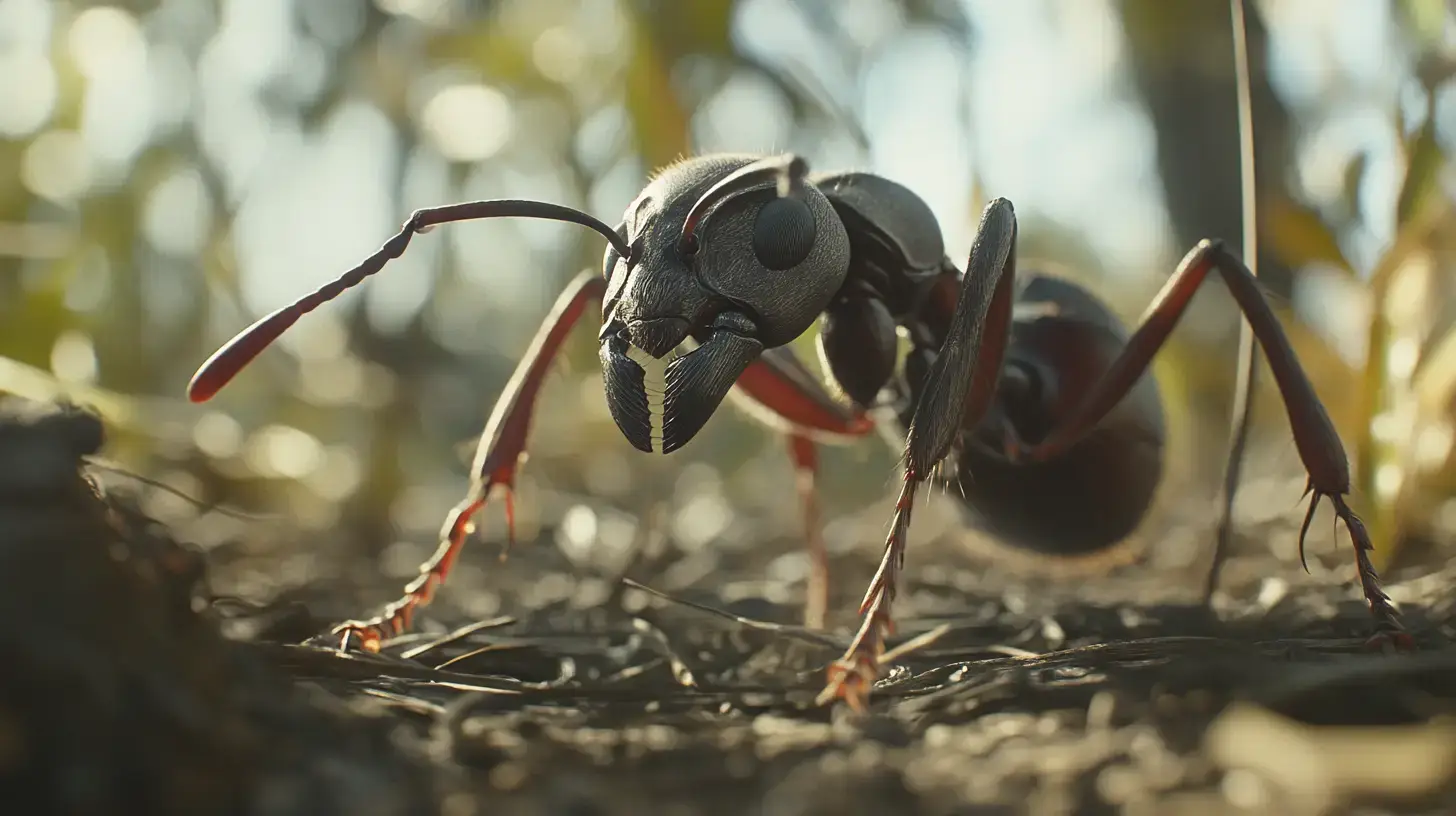
Ants have “a narrow waist with one or two joints (nodes) between the thorax and abdomen,” while termites “have a broad waist,” according to the UF/IFAS ant guide. Winged ants have a larger front pair of wings than hind pair; termite reproductives have four wings of equal size. If winged insects are indoors, our flying ants guide walks through the difference. A confirmed termite swarmer needs an inspection, not an ant bait.
What “black ants” usually means in Southwest Florida
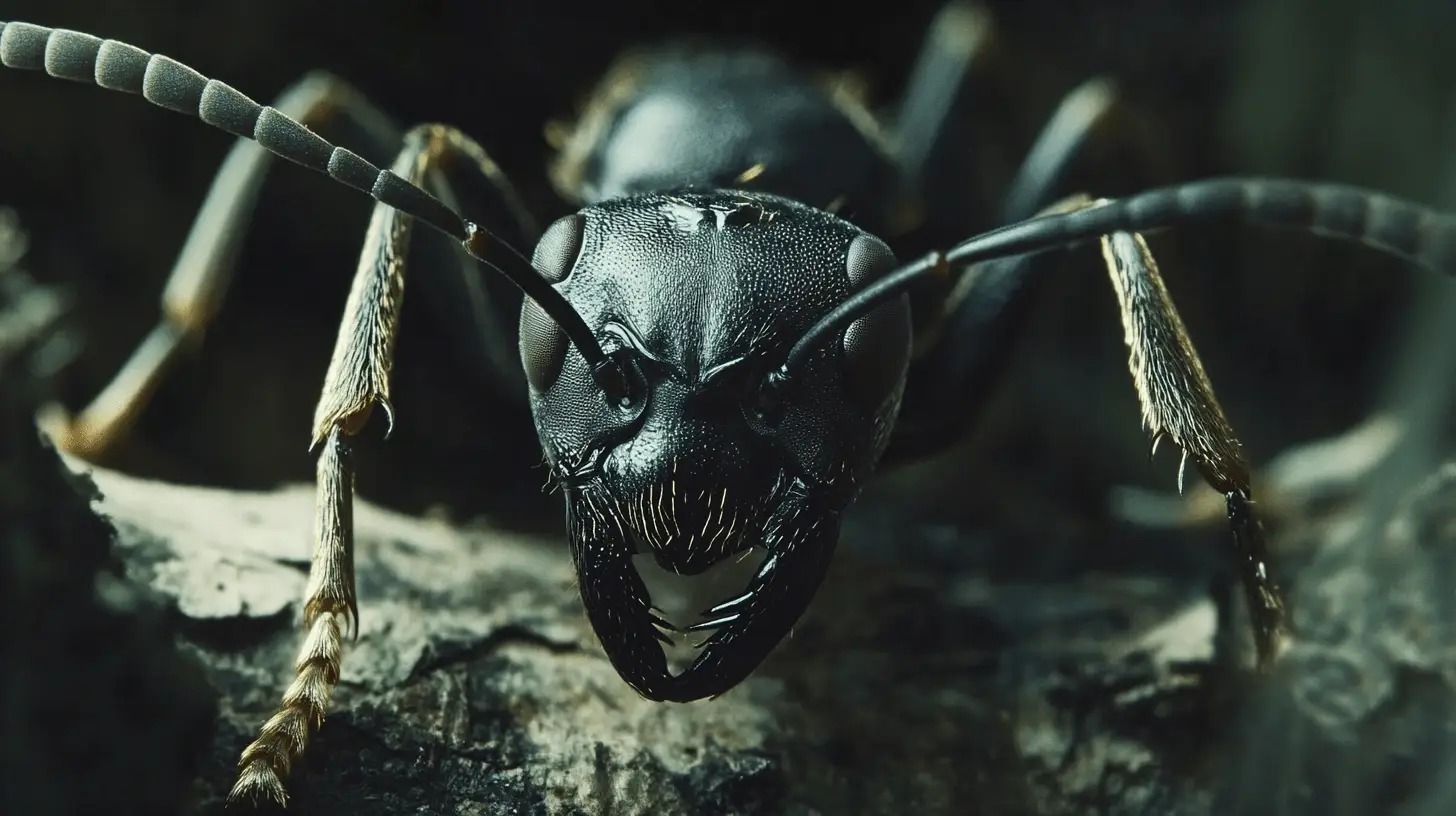
“Black ant” isn’t a species, and several different ants get described that way. Here are the ones UF/IFAS describes as black or dark:
- White-footed ants. UF/IFAS describes them as “medium-small (2.5-3 mm long), black to brownish-black” with “yellowish-white tarsi (feet).” The feet are the clue to look for. The UF/IFAS profile lists confirmed infestations in Collier, Lee and Sarasota counties (UF/IFAS).
- Pavement ants. Dark brown to nearly black, about 2.75-3.2 mm, and they like open, sparsely vegetated ground, which is why sidewalks and patios suit them (UF/IFAS). More in our pavement ant guide.
- Florida carpenter ants. Often called black, but UF/IFAS describes the head and thorax as “ash brown to rusty-orange” with a black rear section, 5.5 to 11 mm long (UF/IFAS). They are larger than the others on this list.
- Ghost ants. Black head and thorax with a clear abdomen and legs, about 1 mm, so on a light counter you mostly see a dark dot (UF/IFAS).
A color match is only a clue. To confirm the species, look at the ant with a magnifier or a close-up photo, or have a technician or your county UF/IFAS Extension office identify it.
White-footed ants in detail
Our white-footed ant identifier covers what they look like; here is how they live and why they’re hard to control. UF/IFAS says white-footed ants feed on plant nectars and honeydew, and also on dead insects and other protein. Nests are “frequently found in trees and bushes, tree holes, under palm fronds and old leaf boots,” and also in wall voids and attics. Colony estimates range from 8,000 to 3 million ants. They can reach the inside of a home by following lines such as the edge of an exterior wall panel, then moving through wall voids along electrical cables (UF/IFAS).
For control, UF/IFAS reports in its profile baits as the only effective management method found to date for this species. It also lists trimming trees and shrubs so branches don’t “bridge” to the structure, and treating the surrounding vegetation to reduce honeydew-producing insects.
The other common household ants
Per the UF/IFAS ant guide, the pest ants most often encountered in Florida include pharaoh, white-footed, Argentine, ghost, carpenter, rover, fire, crazy and big-headed ants, among others. Each has its own guide on our blog:
| Ant | What UF/IFAS says | Our guide |
|---|---|---|
| Ghost ant | About 1 mm, black head and thorax, clear abdomen; nests outdoors, forages indoors; high need for moisture, so kitchens and bathrooms. Well established in Florida south of a Sarasota-Orlando line. | Ghost ants |
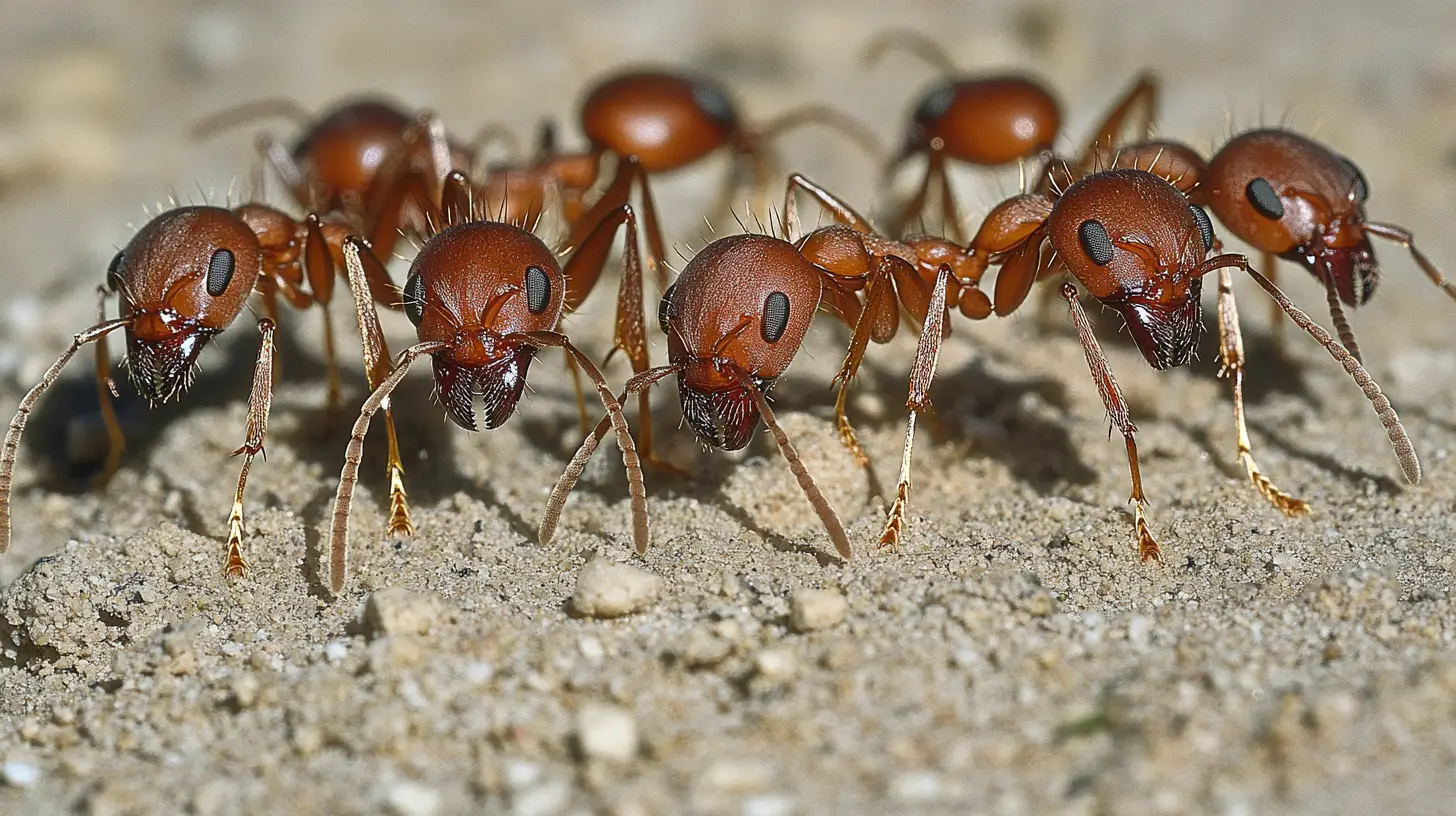
| Big-headed ant | Reddish-brown, 2 mm minors and 3-4 mm majors with enlarged heads; soil piles along lawns and walkways; indoors in kitchens, bathrooms and around doors and windows. | Big-headed ants |
| Argentine ant | Reddish brown, sometimes dark at the tip of the abdomen; ground nesters; can infest buildings, especially in rainy, cold weather. | Argentine ants |
| Rover ant | Very small brown ant, 1-2 mm; nests in soil, leaf litter and mulch, and invades bathrooms and kitchens. UF/IFAS says it is more common in northern than southern Florida. | Rover ants |
| Pavement ant | Dark brown to nearly black; thrives along sidewalks, walkways and patios. | Pavement ants |
| Pharaoh, sugar and other tiny kitchen ants | UF/IFAS calls the pharaoh ant, about 1.5-2 mm and yellowish to light brown or red, “the most difficult household ant to control.” | Tiny ant identification, sugar ants |
| Carpenter ants | Carpenter ants hollow out wood softened by moisture or fungi to nest, but do not eat it. | Dangerous ants in Florida |
Sources for the table: UF/IFAS profiles for the ghost ant, big-headed ant, Argentine ant, dark rover ant, Florida carpenter ant and pharaoh ant.
Why the method depends on the ant
Most household ant problems come down to bait versus spray, and UF/IFAS is clear about why they behave differently.
Baits work through the colony. Workers carry bait back and share it by trophallaxis (reciprocal feeding), which can reach the queen. For outdoor granular (broadcast) baits, UF/IFAS gives these weather rules (UF/IFAS Ants guide). Indoor gels, liquids and bait stations aren’t tied to them; follow the product label:
- Bait on a mild day, around 70-90 F, and not right before or after a drenching rain.
- Turn irrigation off for a few hours before and after baiting. “Water can ruin most baits.”
- Food preference matters. If ants ignore a sugar bait, a protein or oil-based bait may hold their interest.
- Spoiled bait (it smells like rancid oil or stale potato chips) won’t work.
- Use bait products as the label directs, and keep them out of reach of children and pets.
Sprays can undercut the bait. UF/IFAS warns against spraying near bait: “Sprays are repellent, and if they contaminate the bait the bait treatment will be ineffective because the ants will not eat it.” So spraying the trail you are trying to bait works against you.
Budding species are the hard ones. UF/IFAS says pharaoh ants, some fire ants, ghost ants and Argentine ants spread by budding, where queens leave with workers to start new nests, which makes them among the most difficult ants to control. For ghost ants, Waves Pest Control’s approach is non-repellent liquid baits rather than repellent sprays, because repellent sprays can splinter the colony.
The species changes the tool. Some examples from the profiles above:
- Argentine ants: UF/IFAS says liquid baits have been shown to be effective, and that broad-spectrum sprays carry additional health and ecological risks.
- Pavement ants: UF/IFAS says liquid baits may be effective at reducing colony numbers, and that blocking entry points and securing food helps.
- Florida carpenter ants: UF/IFAS recommends treating the nest directly. If it can’t be found, baits or residual sprays in foraging areas are the fallback, along with removing vegetation that touches the house.
- White-footed ants: baits, as above.
A quick note on pantry remedies: our baking soda and ants answer covers what that does and doesn’t do, and none of the DIY steps here guarantees a result for your yard.
Fire ants: the one to treat with caution
Fire ants are different from the kitchen trail ants. They are mostly an outdoor problem, and they sting. This section is about the red imported fire ant (Solenopsis invicta), the one most people mean. Florida also has native fire ants, and UF/IFAS says telling them apart matters for choosing control, so confirm which you have before treating. Look for raised soil mounds without a central opening, and watch fresh sod on new construction. UF/IFAS says the red imported fire ant builds soil mounds “seldom larger than 46 cm (18 in) in diameter” and that “when a mound is disturbed, ants emerge aggressively to bite and sting the intruder” (UF/IFAS).
What to do:
- Don’t poke, rake or mow over a mound. Disturbing it is what sets the ants off.
- If you are stung, the CDC advises to “rub off ants briskly, as they will attach to the skin with their jaws.” UF/IFAS notes the sting leaves a white pustule, usually the next day.
- Know the emergency signs. UF/IFAS says stings can range from local pain and swelling to anaphylactic shock. CDC lists severe chest pain, loss of breath, serious swelling, slurred speech, nausea and severe sweating as reasons to get emergency care right away (CDC/NIOSH). Call 911 or go to an emergency room for any of these, and if you have a known venom allergy, don’t wait to see how it develops.
- For other symptoms, such as a sting that looks infected or a reaction that worsens, see a doctor.
Waves Pest Control’s fire ant approach is broadcast bait plus individual mound treatment, with a seasonal re-treat after rainfall. Our fire ant treatment guide has the details.
What to do this week
- Watch where they walk. A trail leads to the nest or food. Note the time of day, the room, and whether it’s near moisture.
- Get a clear photo or catch one in tape, and compare it with the guides above.
- Hold off on spraying the trail if you plan to bait.
- Remove the draw. UF/IFAS lists removing food and water sources, sealing entry points, and (for white-footed and carpenter ants) trimming vegetation that touches the structure. These steps lower the odds of ants returning but don’t guarantee it.
- Bait as the label directs, following UF/IFAS timing above, and check back in a day or two. For ghost ants, UF/IFAS says to relocate bait if the ants are not feeding on it.
When a pro makes sense
A professional isn’t automatic for ants, but it’s worth it when:
- You can’t identify the ant, or baiting has not changed the trail after a few tries.
- You have white-footed ants or other colonies nesting in wall voids, attics or trees you can’t reach.
- You suspect carpenter ants, such as frass (excavation debris) pushed out of nest sites, ants foraging at night, or winged ants near windows and sliding doors.
- You have fire ant mounds where children or pets play, or someone in the household has had a serious reaction to stings.
If you’d rather have a licensed technician identify the ant and choose the treatment, see pest control in Lakewood Ranch. If you want a rough budget first, try the pest control calculator.
Frequently Asked Questions
What are the “black ants” in my Southwest Florida house?
It depends on the ant, because “black ant” isn’t a species. UF/IFAS describes white-footed ants as black to brownish-black with pale feet, and pavement ants as dark brown to nearly black. Check size, feet and where they trail, and confirm with a close-up photo or a technician.
Are white-footed ants found in Southwest Florida?
UF/IFAS lists confirmed white-footed ant infestations in Collier, Lee and Sarasota counties. They nest in trees, palms and wall voids, and in its profile UF/IFAS reports baits as the only effective management method found to date.
Should I spray ants or use bait?
For ants that nest out of sight, UF/IFAS recommends bait, because workers carry it back to the colony. It also warns that sprays are repellent and can make bait ineffective if they contaminate it, so don’t spray around the bait.
Why do the ants come back after I wipe the trail?
Wiping removes the scent trail, not the nest. UF/IFAS says finding the nest is the key to control, and that species that spread by budding, such as ghost and Argentine ants, are among the hardest to control.
What should I do after a fire ant sting?
Rub the ants off briskly, per the CDC. Get emergency care right away for chest pain, trouble breathing, serious swelling, slurred speech, nausea or severe sweating, and see a doctor for any other worrying symptoms.
When should I call a professional for ants?
When you can’t identify the ant, baiting hasn’t changed the trail, colonies are in walls or attics, you suspect carpenter ants, or fire ants are near people or pets.