To effectively get rid of rover ants in Lakewood Ranch can often be a persistent challenge for homeowners, as these small but resilient insects often make their way indoors. Native to South America, rover ants have become a common nuisance in southern states, especially during spring and summer. Though they don’t sting or bite, their attraction to moisture and sugary substances can lead to unwanted invasions in kitchens, bathrooms, and dining areas.
Recognizing rover ants is the first step in managing an infestation. These tiny ants, typically ranging from pale yellow to blackish-brown, have unique features like a nine-segmented antenna and a hump-like thorax. They usually nest outdoors under stones and leaf litter but can also settle inside potted plants, electrical outlets, or damp areas in the home. In this post, we’ll explore practical strategies to help you get rid of rover ants, from preventive measures to professional control options for larger infestations. Let’s dive into the details and regain control over your space!
Key Takeaways
- Identify and Seal Entry Points: Prevent rover ants from entering your home by sealing gaps, cracks, and other entry points around windows, doors, and foundations.
- Reduce Moisture and Food Sources: These ants are attracted to moisture and sweet foods. Fix leaks, use dehumidifiers in damp areas, and keep food stored in airtight containers to limit their access.
- Use Baits: Sugar-based baits with boric acid or dinotefuran are used against rover ants; follow the label. The ants carry the bait back to their colony.
- Monitor Regularly and Adapt as Needed: Regularly inspect common entry points and moisture-prone areas to catch signs of new activity early. Adjust your methods based on observed ant behavior.
Identifying Rover Ants – Key Characteristics & Behaviors
Rover ants are small, moisture-loving, commonly found in southern states, including Florida. Here are the main identification points that set them apart from other ant species.
Size
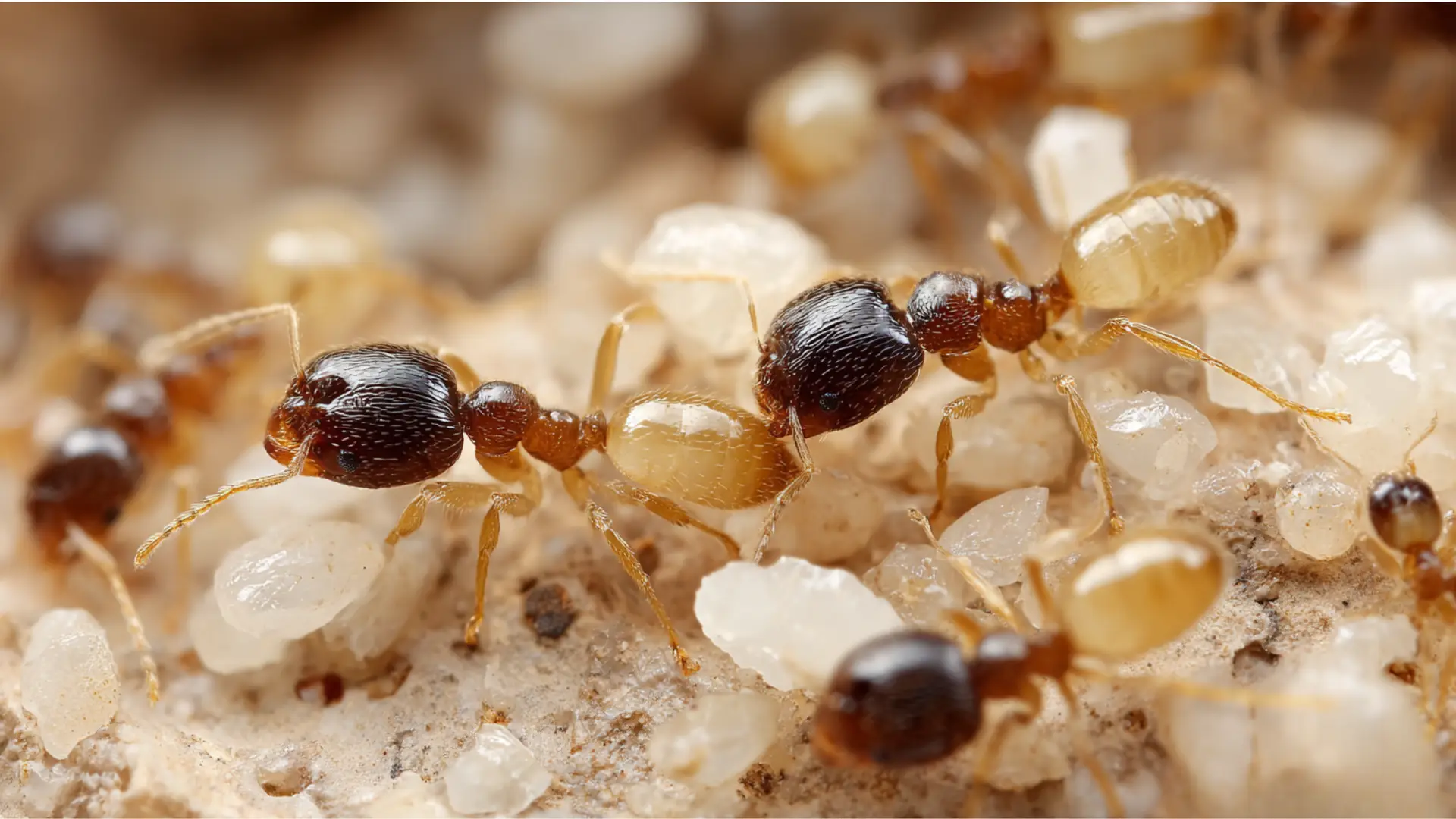
Rover ants are tiny, with adults measuring between 1/12th and 1/16th of an inch (around 2-2.5 mm). Their small size often makes them hard to spot, though they can be seen in large numbers, especially during spring and summer.
Color
These ants vary in color from pale yellow to blackish-brown, which can sometimes cause them to be mistaken for other small ant species. Their coloring can help with identification, especially when combined with their distinct physical features.
Distinctive Features
Rover ants have several unique characteristics that make them easier to identify:
- Antennae: Unlike most ants with 12 segments, rover ants have only 9 segments in their antennae.
- Thorax: Their thorax has a noticeable hump-like appearance, setting them apart from other ant species.
- Eyes: They have relatively large eyes compared to the size of their head, giving them a distinctive look.
Additional Characteristics
These ants have long hairs on their bodies, with sparse, appressed hairs on the posterior part of the abdomen. This combination of features is particularly useful in distinguishing them from other small ant species.
Behavior and Activity Patterns
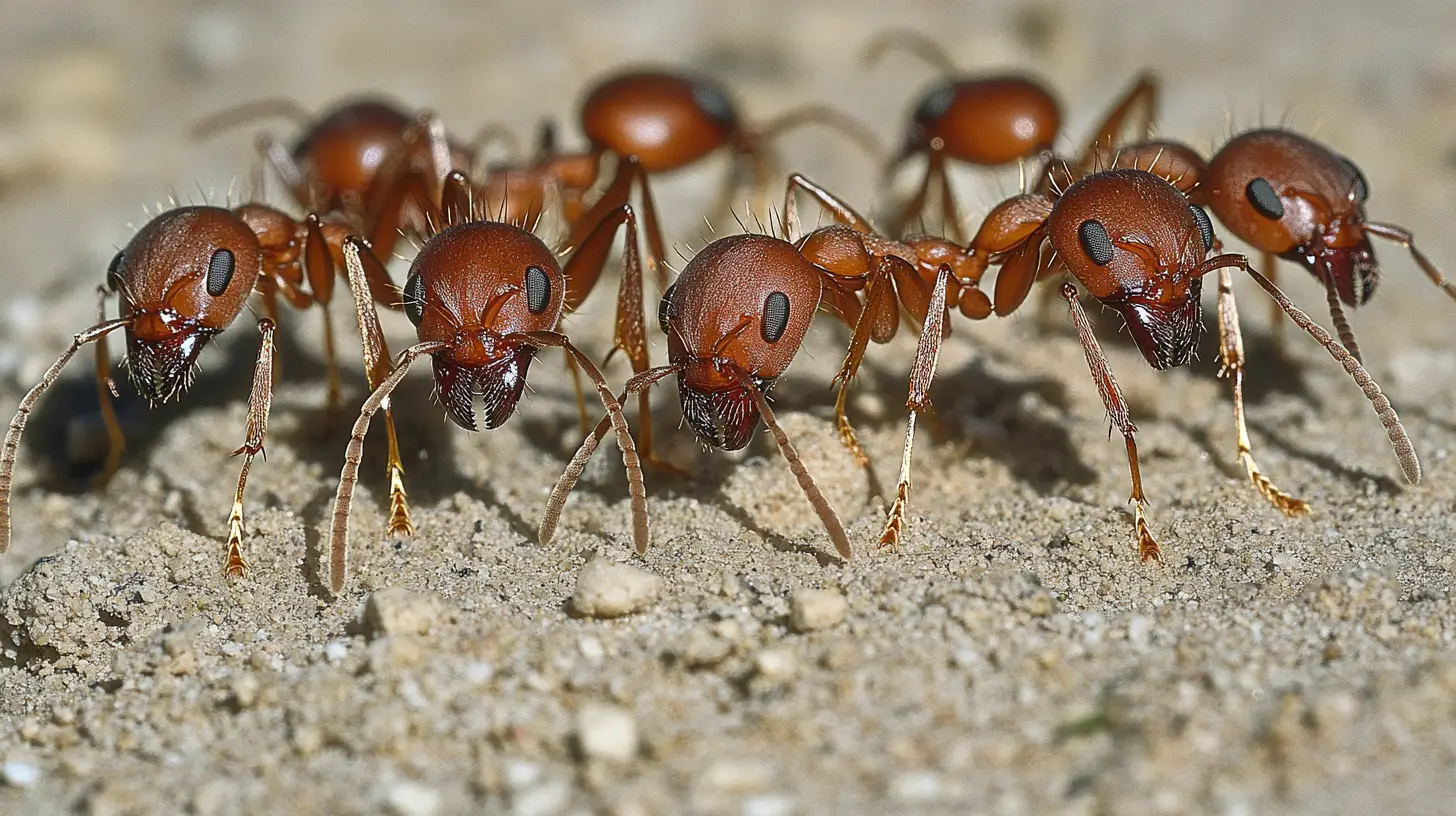
Rover ants are often seen in large groups and are most active during the warmer months. They’re strongly attracted to moisture and are frequently found in areas with fungal decay, which draws them indoors to kitchens, bathrooms, and other damp areas.
Nesting Habits
Rover ants prefer nesting in outdoor environments, such as under stones, leaf litter, landscaping ties, and loose bark at the base of trees. However, they can also nest indoors, often in potted plants, electrical outlets, wall voids, and areas with high moisture levels.
Diet and Food Preferences
Rover ants primarily feed on sweet substances produced by aphids, such as tree sap, plant nectars, and honeydew. They are attracted to crumbs, sugary substances, and other food remnants indoors, making kitchens and dining areas ideal foraging spots.
Non-Aggressive Nature
These ants are non-aggressive and do not sting or bite humans.
Colony Size and Origin
Rover ant colonies are relatively small, usually consisting of a few hundred to a few thousand members. Originally native to Argentina and Paraguay in South America, rover ants are well-established throughout the southern United States.
Understanding these identification features and behaviors can help you spot rover ants in your home or yard and take effective measures to control them before they become a larger issue.
How to Get Rid of Rover Ants
Prevention and Environmental Control
- Seal Entry Points: Inspect your home for gaps, cracks, and holes around windows, doors, and foundations. Seal these entry points with caulk or other materials to prevent ants from entering.
- Maintain Yard Cleanliness: Regularly mow your lawn, prune trees and bushes away from the house, and keep leaves raked up. This reduces potential nesting sites.
- Remove Moisture Sources: Fix leaks and eliminate standing water around your home. Use dehumidifiers in damp areas like basements to reduce humidity levels.
- Manage Mulch and Wood: Keep mulch at least 6 inches away from your home’s foundation. Remove or treat any damp or rotting wood that could attract rover ants.
- Monitor Plants: Check for aphids or other sap-feeding pests on plants, as these attract rover ants due to the honeydew they produce.
Baiting and Chemical Control
- Use Ant Baits: Place sugar-based liquid baits (containing active ingredients like dinotefuran or boric acid) near ant trails. The ants carry the bait back to the colony.
- Apply Insecticides: While not always recommended due to potential harm to pets and humans, targeted applications of residual insecticides around the perimeter of your home can help manage infestations.
- Dust Treatments: Insecticide dust is used in hard-to-reach areas like wall voids, as the label directs.
Professional Help
- Consult Pest Control Services: If infestations persist despite DIY efforts, consider hiring a professional pest control service that can provide targeted treatment options.
Monitoring and Follow-Up
- Regular Inspections: Watch for signs of rover ant activity, especially during warmer months when they are most active.
- Adjust Strategies as Needed: If certain methods aren’t working, be willing to try different approaches based on observations of ant behavior and activity.
- Educate Yourself on Ant Behavior: Understanding rover ant habits can help you anticipate their movements and adjust your control strategies accordingly.
Combining these methods can help you manage rover ant infestations.
Frequently Asked Questions (FAQs)
What are rover ants, and why are they a problem?
Rover ants are tiny, moisture-loving ants that typically range in color from pale yellow to blackish-brown. They’re often attracted to sweet substances and areas with high humidity, making kitchens, bathrooms, and damp spaces ideal environments for them. Although they don’t sting or bite, their presence in large numbers can be a nuisance indoors.
How can I identify rover ants?
Rover ants are very small, about 1/12th to 1/16th of an inch (around 2-2.5 mm) in length. They have nine-segmented antennae (unlike most ants, which have twelve), a distinctive hump-like thorax, and relatively large eyes compared to their head size.
Why do I keep finding rover ants in my home?
Rover ants are attracted to moisture, sweet foods, and honeydew from sap-feeding pests on plants. They can enter your home through cracks and gaps, searching for food and water, especially during warmer months when they are more active.
Do ant baits work for rover ants?
Yes, sugar-based ant baits containing boric acid or dinotefuran are used for rover ants. Rover ants are attracted to sugary substances, and baits allow them to carry poison back to the colony.
How can I prevent rover ants from entering my home?
Prevent rover ants by sealing cracks, gaps, and entry points around windows, doors, and foundations. Reducing moisture by fixing leaks, using dehumidifiers, and keeping plants free from sap-feeding pests makes your home less attractive to rover ants.
How should insecticides be used against rover ants?
Always follow label instructions. Residual insecticides are applied around the home’s perimeter, and insecticide dust is used in wall voids. Use caution around pets and children.
Should I hire a professional to get rid of rover ants?
If the infestation is large or persists despite DIY efforts, consulting a professional pest control service is recommended. Professionals can assess the severity and use targeted treatments.
How can I monitor for future rover ant activity?
Regularly inspect areas prone to moisture, such as kitchens, bathrooms, and basements, and keep an eye out for signs of ant trails near entry points. Consistent monitoring and follow-up actions, like sealing new gaps or removing debris, can help prevent future infestations.