Yes, Bora-Care works in Bradenton, as long as it can reach bare wood. It’s a borate wood treatment that soaks into raw wood and protects that wood from termites, carpenter ants, wood-boring beetles, and decay fungi (Nisus).
Humidity isn’t what hurts it. Water is. Borates can wash out of wood that gets wet over and over, so exterior wood has to be sealed after treatment. And Bora-Care has limits: it can’t soak through paint or sealer, it doesn’t treat the soil, and it won’t wipe out a subterranean termite colony.
What Bora-Care is
Bora-Care is a concentrate made by Nisus. Its active ingredient is disodium octaborate tetrahydrate, a borate salt, mixed with water and sprayed or brushed onto bare wood. Its label allows it as a primary termite treatment for new construction or as a remedial treatment on existing homes (Nisus). Florida’s Department of Agriculture reviewed its efficacy data for new-construction termite treatment in 2006 (FDACS).
Insects that chew or eat treated wood take in the borate, which poisons them. The protection is only as good as the coverage: it guards the wood it soaks into, and nothing else.
Where it helps in a Bradenton home
New construction
Florida’s building code requires termite protection on every new home, and a borate treatment on the framing is one way builders meet it. The installer posts a “Notice of Termite Protection,” often near the electrical panel or in the attic. If you bought new, check that notice to see what was used. Builder termite warranties don’t last forever, and many homes aren’t covered a few years after closing.
Remodels and repairs
When walls are open, exposed framing can be treated before the drywall goes back up. Any new cuts in lumber should be treated too.
Localized drywood termites
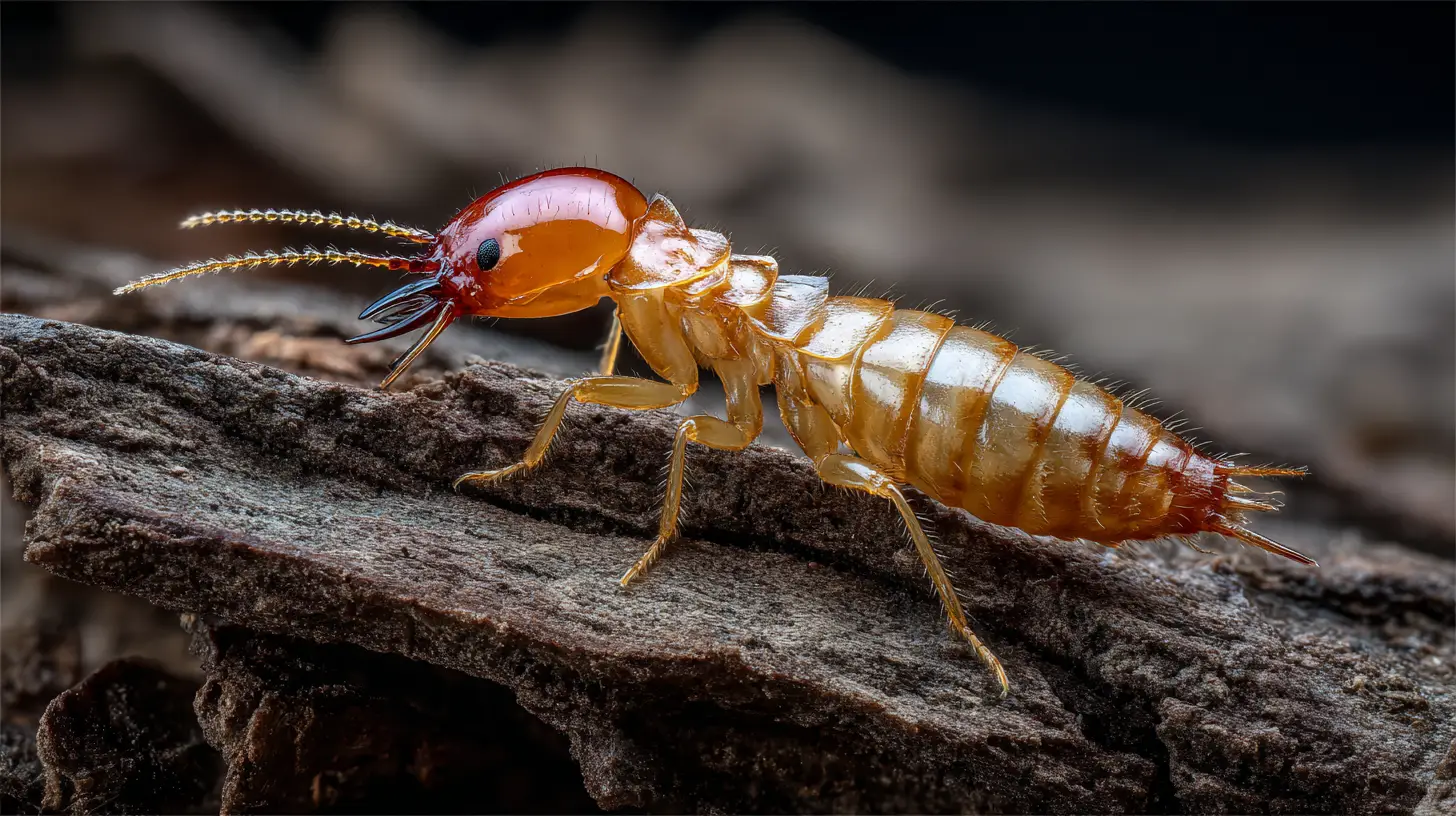
For a drywood colony in accessible bare wood, like attic framing or trim, a borate can be part of a spot treatment. It’s a local fix. When drywood termites are spread through a whole house, the answer is whole-structure fumigation, which Waves doesn’t do. We refer those jobs to a fumigation company. Not sure which termite you have? See drywood vs. subterranean termites.
Wood decay after a leak
Bora-Care is also labeled for decay fungi. Fix the leak and dry the wood first. EPA recommends drying wet building materials within 24 to 48 hours to prevent mold growth (EPA).
What Bora-Care can’t do
- Soak through a finish. Paint, stain, varnish, and sealer block it. It has to go on bare wood, so finished wood has to be stripped or injected.
- Protect the soil. It isn’t a soil barrier. Subterranean termites can still build tubes over treated wood to reach untreated wood above it.
- Eliminate a colony. It isn’t a bait, so it won’t be carried back to wipe out a subterranean colony.
- Survive constant water. Borates can leach out of wood that stays wet or touches the ground. Seal exterior wood after it’s treated and dried.
The product label sets the mixing rate, application rate, and precautions for each use. Keep people and pets out of the work area until the treated wood is dry, and keep the product out of ponds and storm drains.
How Bora-Care compares with other termite tools
| Tool | What it protects | Keep in mind |
|---|---|---|
| Borate wood treatment | The bare wood it soaks into | Can’t reach finished wood; seal exterior wood |
| Liquid soil treatment | A treated zone in the soil around the foundation | Breaks down over time |
| Bait stations | Your home, by eliminating the colony that feeds | Needs ongoing monitoring |
| Drywood spot treatment | A localized drywood colony | Whole-house infestations need fumigation |
Most Bradenton homes sit on slabs, where subterranean termites are the main threat. For those homes, a soil treatment or a monitored bait system is usually the main line of defense, and borates are a supporting tool. See termite control in Bradenton for how we handle both.
Frequently Asked Questions
Does Bora-Care work in Florida’s humidity?
Yes. Humid air doesn’t hurt it. What hurts it is wood that gets wet over and over, because borates can wash out. Keep treated exterior wood sealed and fix leaks that soak framing.
Does Bora-Care replace tenting?
Only for small, localized drywood colonies in wood the treatment can reach. When drywood termites are spread through a house, whole-structure fumigation is the usual answer. Waves doesn’t fumigate; we’ll tell you if you need it and refer you to a fumigation company.
Can Bora-Care be applied to painted wood?
No. It needs bare, unsealed wood to soak in. Painted or sealed wood has to be stripped, or treated by drilling and injecting.
How long does Bora-Care last?
In dry, protected wood, borates don’t evaporate or break down. They can wash out of wood that stays wet or touches the soil, which is why exterior wood should be sealed after treatment.
When can we go back in after treatment?
Once the treated wood is dry. Follow the label, ventilate the space, and keep pets out until then.
Do I still need a termite warranty if my wood is treated?
Borates protect only the wood they soak into. Subterranean termites can still reach untreated wood, so a monitored program is still the main protection for most slab homes. Waves’ termite warranty is optional, comes in 1-, 5-, or 10-year terms, and is priced separately from treatment.