If you’re trying to get rid of pillbugs in your Lakewood Ranch garden, you’re likely noticing these tiny, round creatures congregating in damp areas like under rocks, mulch, or decaying leaves. While pillbugs (often called “rollie-pollies”) might look harmless, their presence in large numbers can become a nuisance, especially when they start feeding on tender plants or vegetables.
Interestingly, pillbugs aren’t actually bugs at all—they’re crustaceans, closely related to crabs and shrimp. They play an important role in the ecosystem by helping to decompose organic matter and even detoxifying heavy metals from the soil. However, when their population grows too large, they can start feeding on young plants, causing damage to your garden. These nocturnal creatures are well-adapted to life on land, breathing through gills and rolling into a ball (a behavior known as conglobation) to protect themselves from predators.
In this post, we’ll explore practical ways to manage and get rid of pillbugs while maintaining the health of your Lakewood Ranch garden. From preventative strategies to practical steps, we’ll guide you through how to keep these decomposers in check. Whether you’re curious about their habits or just looking for a solution, we’ve got the answers you need to tackle your pillbug problem and protect your outdoor space.
Key Takeaways
- Pillbugs are Beneficial but Can Become a Nuisance: While pillbugs play an important role in breaking down organic matter and improving soil health, they can become problematic when their population grows too large, particularly in moist, humid environments like those in Lakewood Ranch.
- Identification and Habitat: Recognizing pillbugs by their oval, segmented bodies and their ability to roll into a ball is key to understanding their behavior. They thrive in damp, dark areas, such as under rocks or leaf litter, where decaying organic matter is abundant.
- Preventive Measures are Crucial: Reducing moisture levels, removing organic debris, and improving drainage are essential steps to preventing a pillbug infestation. Keeping your garden well-maintained will limit their food and shelter sources.
- Indoor Control: To prevent pillbugs from entering your home, seal cracks and use dehumidifiers in damp areas.
- Pillbugs Play a Vital Ecological Role: Despite being seen as pests, pillbugs contribute to soil aeration and nutrient recycling, making them valuable to garden ecosystems. Maintaining balance is key, allowing their benefits while preventing damage to plants.
By following these strategies and maintaining good garden hygiene, you can help manage pillbug populations and protect your plants from damage.
Pillbugs – Key Characteristics
Pillbugs, commonly known as roly-polies, are small, land-dwelling crustaceans from the family Armadillidiidae. While they may look like insects, they are actually more closely related to aquatic crustaceans such as shrimp and crabs. These fascinating creatures have a unique ability to roll into a tight ball when threatened, much like their namesake, the armadillo. This defense mechanism, known as conglobation, helps them avoid predators.
Pillbug Identification Guide
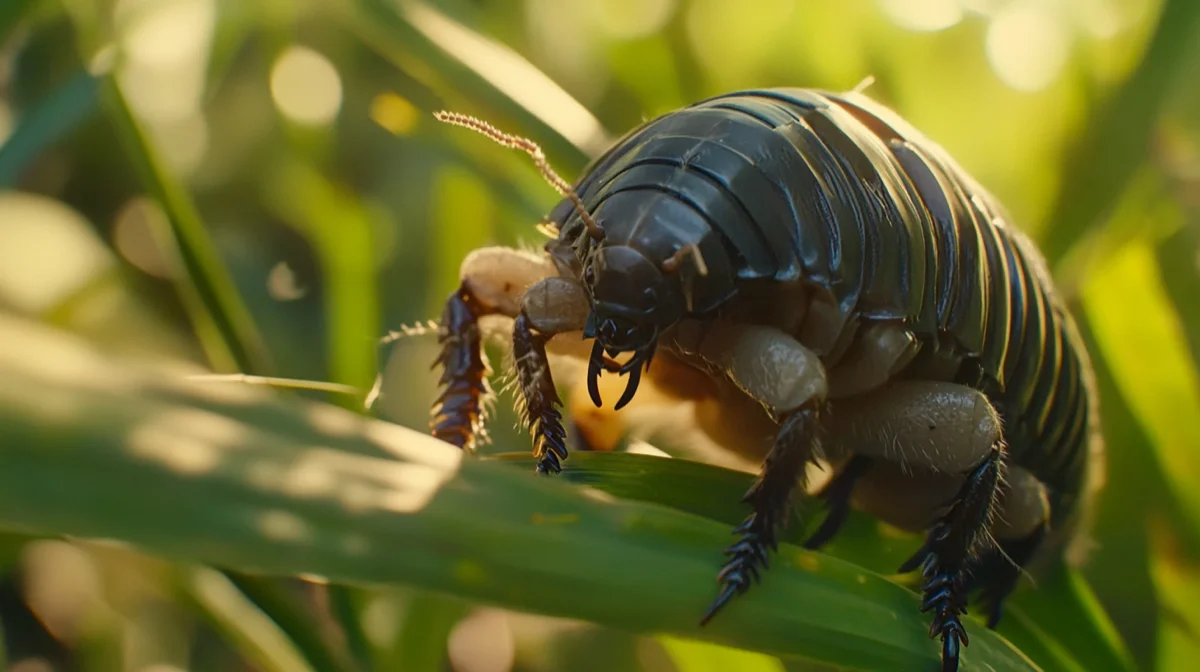
Identification Features
Color: Typically dark gray to black, though some may appear brownish.
Size: They generally measure between ¼ inch to ¾ inch (approximately 6 to 19 mm) in length.
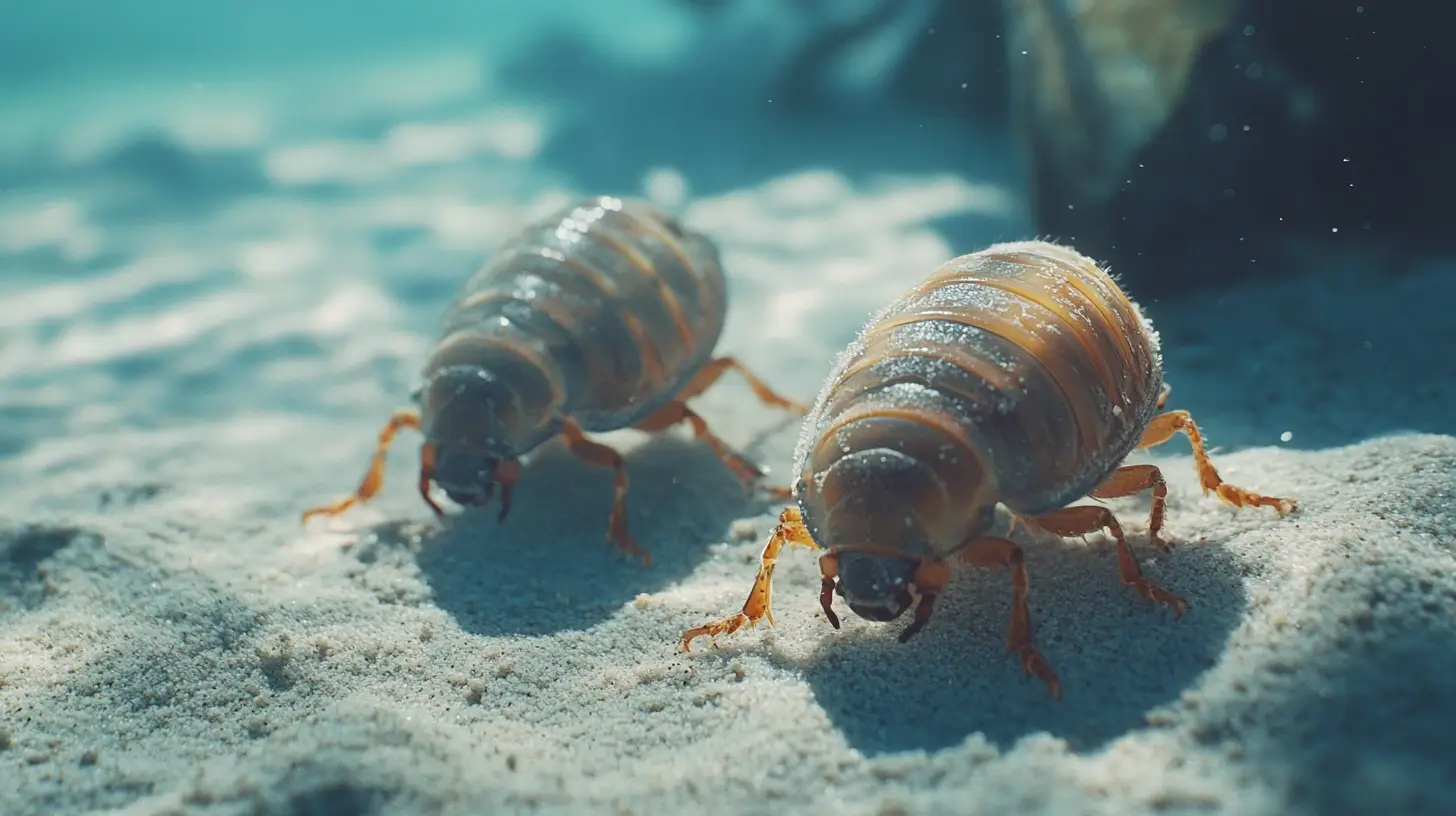
Body Structure: Pillbugs have an oval-shaped body that is longer than it is wide. Their bodies are made up of seven overlapping plates, giving them a segmented appearance. They possess two pairs of antennae and seven pairs of legs (14 legs total).
Shape: When threatened, pillbugs can roll into a tight ball, which is a key feature that distinguishes them from other similar creatures like sowbugs, which cannot roll up.
Habitat: Pillbugs prefer moist environments and are commonly found under rocks, logs, leaf litter, and in gardens or compost piles.
Behavior
Nocturnal Activity: Pillbugs are primarily active at night and tend to hide during the day to retain moisture.
Diet: They are scavengers that feed on decaying plant material, fungi, and occasionally tender plant parts.
Life Cycle
Pillbugs carry their eggs in a brood pouch under their bodies until they hatch. The young emerge as miniature versions of adults.
Conclusion
Pillbugs do not bite or sting. They play an essential role in the ecosystem by helping decompose organic matter. If you encounter them indoors, it’s usually due to moisture issues or access points that need sealing.
- Physical Characteristics: Pillbugs are easily recognizable by their oval, segmented bodies, which are typically slate-gray and measure about 1/4 to 5/8 inches in length. Their bodies are protected by overlapping plates that allow them to roll up, distinguishing them from their close relatives, sowbugs, which do not have this ability. They possess seven pairs of legs, giving them a total of 14 legs, and two pairs of antennae, although the second pair is often hidden from view. These features contribute to their agility in navigating moist environments.
- Habitat and Distribution: Pillbugs thrive in moist, humid environments, which is why you’ll often find them hiding under rocks, logs, and leaf litter, where decaying organic matter is abundant. Originally native to the Mediterranean region, they have since spread across the globe, adapting to various climates, including temperate forests, grasslands, and even some desert areas. In places like Lakewood Ranch, Florida, where the climate is warm and humid, pillbugs can be found in gardens and damp areas of the landscape.
- Behavior and Diet: These little crustaceans are detritivores, which means they feed on decaying plant material, helping to break it down and recycle nutrients back into the soil. This makes them important contributors to soil health, as they aid in the decomposition process. However, their preference for dark, damp places means they are most active at night, when the conditions are ideal for foraging. During the day, they avoid drying out by hiding in moist areas.
- Reproduction and Lifespan: Female pillbugs carry their eggs in a brood pouch located on the underside of their bodies, much like other crustaceans. After an incubation period of 3 to 7 weeks, the eggs hatch, and the young remain in the pouch for an additional 6 to 7 weeks. Pillbugs typically live for about two years, but under favorable conditions, they can live even longer.
- Ecological Role: In addition to helping maintain soil health, pillbugs play a crucial role in breaking down organic material, which improves soil structure and stimulates microbial activity. They also help aerate the soil, ensuring that plants have access to essential nutrients and oxygen. Their role as natural recyclers makes them valuable contributors to garden ecosystems, despite sometimes being viewed as pests.
- Interaction with Humans: Pillbugs can become a nuisance if their populations grow too large, especially when they begin to venture indoors. They do not bite or sting, but their presence in homes or greenhouses can be unwelcome. Occasionally, pillbugs may nibble on tender seedlings, but they are not typically destructive to healthy plants.
Overall, pillbugs are beneficial creatures that contribute to the balance of natural ecosystems by breaking down organic matter and improving soil quality. However, if their numbers become overwhelming in your Lakewood Ranch garden, it may be time to explore management strategies to keep them in check.
How to Get Rid of Pillbugs – A Comprehensive Guide
Pillbugs, while helpful in breaking down organic matter, can become a problem when they invade gardens or homes in large numbers. If you’re facing a pillbug infestation in your Lakewood Ranch garden, there are several methods to manage them. This guide provides steps to help you protect your plants and reduce pillbug populations.
The first step to controlling pillbugs is through prevention and habitat modification. Pillbugs thrive in damp, humid environments, so start by removing decaying organic matter such as leaf piles, garden debris, and rotting vegetation from your garden. These materials provide ideal hiding spots and food sources for pillbugs. Additionally, reducing moisture levels is crucial. Improve drainage around your plants and avoid overwatering, as excess moisture encourages pillbug activity. Using coarse mulch can also help by allowing water to pass through more easily and keeping the soil surface drier. Increasing air circulation by trellising vines or elevating fruits and vegetables can also reduce damp conditions that attract pillbugs.
How to Get Rid of Pillbugs: A Comprehensive Guide
1. Prevention and Habitat Modification
– Remove decaying organic matter, leaf piles, and garden debris
– Reduce moisture by improving drainage and avoiding overwatering
– Use coarse mulch that allows water to pass through easily
– Improve air circulation around plants by trellising vines and elevating fruits/vegetables
2. Manual Removal
– For small infestations, hand-pick pillbugs
3. Soil Management
– If dealing with potted plants, consider repotting with fresh soil
– Shake root balls to dislodge hiding pillbugs
4. Chemical Control (as a last resort)
– Use insecticides labeled for pillbugs
– Apply according to label instructions
– Focus on areas where pillbugs congregate
5. Ongoing Maintenance
– Monitor your garden regularly for signs of pillbug activity
– Maintain good garden hygiene by promptly removing dead plant material
– Adjust watering practices to avoid creating overly moist conditions
6. Indoor Control
– Seal cracks and entry points around the home’s foundation
– Use dehumidifiers in damp basements or crawl spaces
Conclusion
By combining these methods and maintaining consistent garden care practices, you can help manage pillbug populations and protect your plants from damage.
For smaller infestations, manual removal may be sufficient. Simply hand-pick pillbugs from your plants.
Soil management is also crucial, especially if you’re dealing with potted plants. Consider repotting with fresh soil and shaking the root balls to dislodge any hiding pillbugs. This helps break the cycle and prevents future infestations. For indoor control, make sure to seal cracks and entry points around your home’s foundation and use dehumidifiers in damp areas like basements or crawl spaces.
By combining these methods and maintaining consistent garden care practices, you can help manage pillbug populations and protect your plants. Regular monitoring and good garden hygiene are key to keeping these crustaceans in check.
Frequently Asked Questions (FAQs)
What are pillbugs?
Pillbugs, often called “roly-polies,” are small, land-dwelling crustaceans belonging to the family Armadillidiidae. Unlike insects, they are more closely related to aquatic crustaceans like shrimp and crabs. Pillbugs are known for their ability to roll into a tight ball (a behavior called conglobation) when threatened.
What do pillbugs look like?
Pillbugs have oval, segmented bodies that are typically slate-gray in color. They measure about 1/4 to 5/8 inches in length. Their body is covered with overlapping plates that protect them and allow them to roll up. They have seven pairs of legs (14 total) and two pairs of antennae, though the second pair is often hidden.
Where do pillbugs live?
Pillbugs thrive in moist, humid environments. You’ll often find them hiding under rocks, logs, leaf litter, or garden debris. They prefer places with decaying organic matter, as this provides them with food and shelter. In Lakewood Ranch, FL, the warm, humid climate makes gardens, compost piles, and shaded areas ideal habitats for pillbugs.
What do pillbugs eat?
Pillbugs are detritivores, meaning they feed primarily on decaying plant material. They help break down organic matter, recycling nutrients back into the soil. Occasionally, pillbugs may nibble on tender plant seedlings, but their primary diet consists of rotting leaves, wood, and other organic debris.
Are pillbugs harmful to plants or humans?
Pillbugs do not bite or sting. While they are beneficial to gardens by breaking down organic matter and improving soil health, they can become a nuisance if their population grows too large. In such cases, they may feed on young plant seedlings, causing damage.