Crickets may seem harmless, with their melodic chirps often associated with peaceful nights, but when they invade your home, they quickly become an unwelcome nuisance. Learning how to get rid of crickets in Lakewood Ranch is essential, especially given their tendency to damage fabrics, carpets, and even plants in your yard. These tiny invaders are not just loud roommates—they’re opportunistic omnivores with a knack for finding cozy hiding spots.
Did you know that cricket chirps can help you gauge the temperature? Or that male crickets rub their wings together in a process called stridulation to attract mates? While fascinating in the wild, their chirps echoing from inside your home can disrupt your peace. Beyond the noise, crickets are notorious for their powerful hind legs, enabling them to leap impressive distances, making them tricky to catch and remove.
In Lakewood Ranch, the warm, humid climate creates an ideal environment for crickets to thrive. They’re nocturnal, meaning they’re most active at night, and their diet includes just about anything they can chew on—from leaves in your garden to fibers in your living room. This blog will walk you through strategies to help reduce crickets and protect your property. Ready to take back your home? Let’s dive in!
Key Takeaways
- Identify the Source: Crickets are attracted to moisture, warmth, and light. Addressing these attractants is the first step to preventing infestations.
- Seal Entry Points: Prevent crickets from entering your home by sealing cracks, gaps, and holes around doors, windows, and the foundation.
- Maintain Cleanliness: A clean, clutter-free home with proper food storage reduces potential food sources for crickets.
- Control Moisture: Eliminate standing water, fix leaks, and improve ventilation to make your home less appealing to crickets.
- Monitor Activity: Regular inspections of your home and yard can help detect cricket activity early, allowing for prompt action.
- Act Proactively: Address infestations promptly to prevent crickets from laying eggs and multiplying.
- Seek Professional Help When Needed: If DIY methods don’t work or the infestation is severe, consult a pest control professional.
By combining preventive measures and practical steps, you can help reduce crickets in your home.
Understanding Crickets: Key Characteristics and Insights
Crickets, belonging to the order Orthoptera, are fascinating insects with unique features and behaviors that make them both intriguing and sometimes problematic. To effectively get rid of crickets, it’s helpful to first understand their biology and habits. Here’s what you need to know about these chirping invaders.
Physical Characteristics
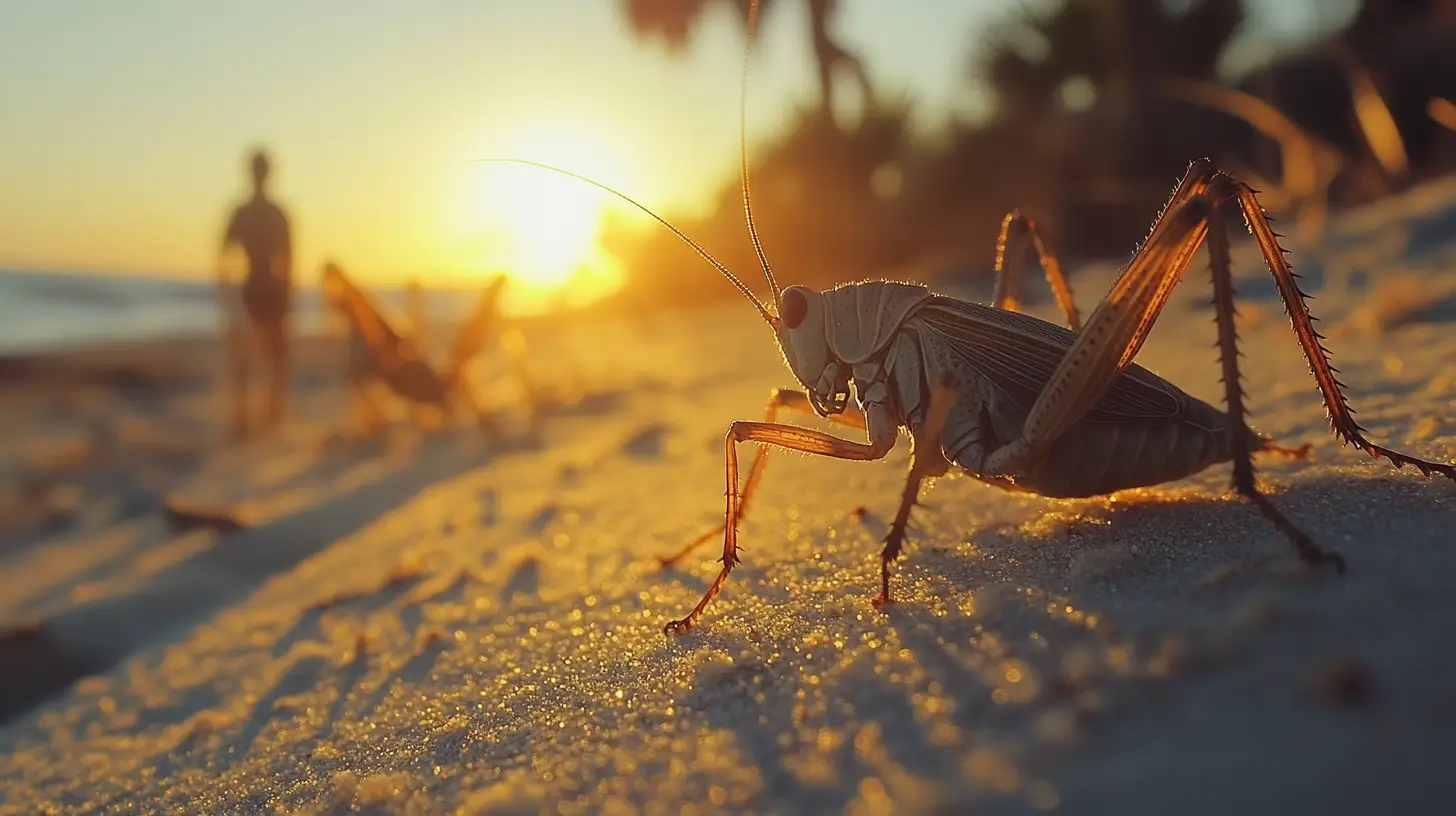
Crickets come in a variety of sizes, ranging from 3 to 50 mm in length, depending on the species. Their rounded heads and long, thin antennae make them easily recognizable, while their powerful hind legs are designed for jumping impressive distances. A cricket’s body also includes two pairs of wings—stiff, leathery forewings and delicate membranous hindwings. Females are equipped with a specialized ovipositor, a cylindrical appendage used to lay eggs.
Behavior and Communication
One of the most notable traits of crickets is their chirping, a behavior primarily exhibited by males. This sound, produced by rubbing their forewings together, serves various purposes, from attracting mates to defending territory. Crickets are nocturnal and rely heavily on their sound reception organs, located on their forelegs, to interact with their environment. Interestingly, the rate of their chirping increases with temperature, a behavior so reliable that it can even help estimate ambient temperatures.
Habitat and Distribution
Crickets are incredibly adaptable and can be found in a wide range of environments, from fields and forests to caves and homes. In Lakewood Ranch, their activity is particularly noticeable in humid, warm conditions. Certain species burrow into the ground, while others take refuge indoors, especially during seasonal temperature changes.
Diet and Feeding Habits
Crickets are omnivorous, consuming a diverse diet that includes plant material like fruits and seeds, as well as small insects, invertebrate eggs, decaying organic matter, and fungi. This opportunistic feeding behavior often brings them into conflict with homeowners, as they can damage textiles, plants, and stored food.
Life Cycle
Crickets undergo incomplete metamorphosis, transitioning from eggs to nymphs and eventually to adults. Nymphs resemble smaller versions of adult crickets and molt several times before reaching maturity. While their lifespan varies among species, most crickets live for about a year.
Ecological and Cultural Significance
Crickets play a dual role in the ecosystem as both prey and predators, contributing to the balance of their habitats. However, some species are agricultural pests, causing damage to crops. Beyond their ecological role, crickets hold cultural significance, appearing in myths, superstitions, and even as cherished pets or research specimens.
By understanding these key characteristics, you’ll be better prepared to identify and manage cricket infestations effectively. Whether it’s their nocturnal habits, chirping, or opportunistic diet, knowing what makes crickets tick is the first step in addressing their presence in your home or yard.
Your Local Lakewood Ranch Pest Experts!
Count on Waves Pest Control for trusted pest control in Lakewood Ranch, FL. Protect your home from unwanted pests—call today or request your free quote online!
Comprehensive Guide to Getting Rid of Crickets
Dealing with crickets can be frustrating, but environmental modifications can help you regain control of your home and yard. Here’s a breakdown of methods to get rid of crickets in Lakewood Ranch.
Environmental Modifications
Creating an environment that is less appealing to crickets is key to long-term prevention:
- Reduce Moisture: Crickets thrive in damp environments. Ensure proper ventilation in basements, crawl spaces, and attics. Repair leaky pipes and eliminate standing water both indoors and outdoors.
- Clean and Declutter: Regularly vacuum and dust to remove potential cricket eggs and larvae. Keep storage areas tidy and avoid piling clutter in corners or along walls where crickets can hide.
- Seal Entry Points: Inspect your home for cracks, gaps, and openings around doors, windows, vents, and utility lines. Seal these entry points with caulk or weatherstripping to block crickets’ access.
Additional Prevention Tips
- Eliminate Food Sources: Store pantry items in airtight containers and promptly clean up any food spills. This minimizes the appeal of your home to crickets and other pests.
- Outdoor Adjustments: Crickets are often attracted to outdoor lights. Switch to yellow or amber-colored bulbs, which are less appealing to insects.
Getting rid of crickets in Lakewood Ranch involves proactive maintenance and addressing what attracts them. By understanding the behavior and preferences of these nocturnal jumpers, you can tailor a strategy for your home.
Frequently Asked Questions (FAQs)
What Attracts Crickets to My Home?
Crickets are drawn to your home for food, shelter, and moisture. They are attracted to warm, damp areas, outdoor lighting, and easily accessible entry points like cracks or gaps in doors and windows.
Are Crickets Harmful to My Home?
While crickets don’t pose a direct threat to your home’s structure, they can damage fabrics like wool, silk, and cotton by feeding on them. Additionally, their chirping can be a nuisance, especially at night.
How Can I Tell If I Have a Cricket Infestation?
Signs of a cricket infestation include constant chirping, sightings of live crickets in your home, holes in fabrics, and cricket droppings, which are small, dark, and cylindrical.