Jump to a section (8)
- 01Bait Stations vs. Liquid — Side by Side
- 02Termite Identification
- 03Advances in Termite Control – The Power of Non-Repellent Insecticides
- 04Chemical Used For Termite Treatments
- 05Understanding Liquid Termite Treatments
- 06Exploring Termite Bait Stations
- 07Which Termite Treatment Is Right for Your Lakewood Ranch Home?
- 08Frequently Asked Questions (FAQs)
In Lakewood Ranch, termites can be a year-round problem, thanks to Florida’s warm and humid climate, which creates the ideal environment for these pests to thrive. Without effective termite treatment, your home could face extensive damage before you even realize there’s a problem. But which treatment is right for you: termite bait stations or liquid termite treatments?
Termite bait stations are designed to attract termites with a slow-acting poison that workers carry back to the colony. This method is particularly useful for targeting the entire colony, but results are not immediate. In contrast, liquid termite treatments create a chemical barrier around your home’s foundation.
Which method is best for your home? It depends on several factors, including the severity of the infestation and how quickly you want to see results. In this post, we’ll compare the strengths and weaknesses of both termite bait stations and liquid termite treatments to help you make an informed decision about protecting your Lakewood Ranch property. Termites may be silent destroyers, but with the right approach, you can help protect your home.
Bait Stations vs. Liquid — Side by Side
Both approaches are legitimate Florida termite control. What matters is matching the tool to your home’s situation. For exact pricing on either approach, visit wavespestcontrol.com/estimate.
| Dimension | Bait stations (e.g., Sentricon) | Liquid barrier (Termidor/Taurus SC) |
|---|---|---|
| Active ingredient | Hexaflumuron or noviflumuron (chitin-synthesis inhibitor) | Fipronil (non-repellent neurotoxin) applied to soil |
| Application | Stations installed around the perimeter | Soil trenching + subslab rodding at the foundation |
| Property impact | Minimal — small disks in the turf; no trenching | Requires trenching/drilling; driveway/patio cores filled after |
| Maintenance | Quarterly-to-annual station inspection + cartridge refresh | Annual inspection |
| What it addresses | Subterranean colonies (native + Formosan); prevention + active cure | Subterranean only — NOT drywood termites |
| Best fit | Homes with hardscape you don't want drilled | Active infestation needing fast knockdown, or new-construction pre-treatment |
Termite bait stations vs. liquid termiticide barrier — decision factors for SWFL homes. Not pricing advice; get a quote at wavespestcontrol.com/estimate/.
Key Takeaways
- Liquid termite treatments create a chemical barrier in the soil around your home and are applied by a professional.
- Termite bait stations are installed around the perimeter and target termites at the colony level. They require regular monitoring, and the long-term costs can add up due to the need for consistent upkeep.
- Both methods are used by professionals. Liquid treatments generally work faster, while bait stations rely on termites finding and feeding on the bait.
- Choosing between these two treatments depends on your priorities. If you want a faster-acting option, liquid treatments may fit; if you are willing to commit to regular monitoring, termite bait stations may fit.
- For Lakewood Ranch homeowners, where the warm, humid climate creates ideal conditions for termite activity year-round, liquid treatments and bait stations are both options. Ask a licensed professional which fits your home.
Termite Identification
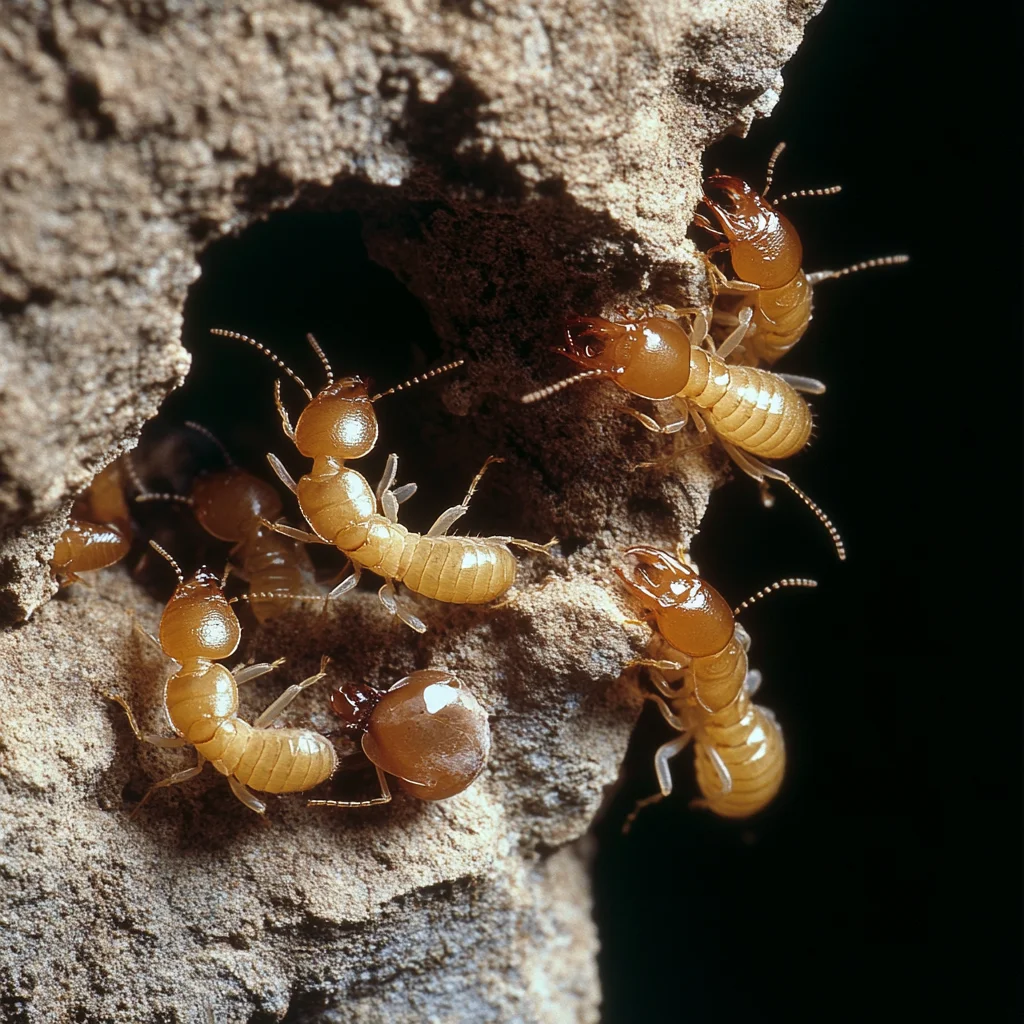
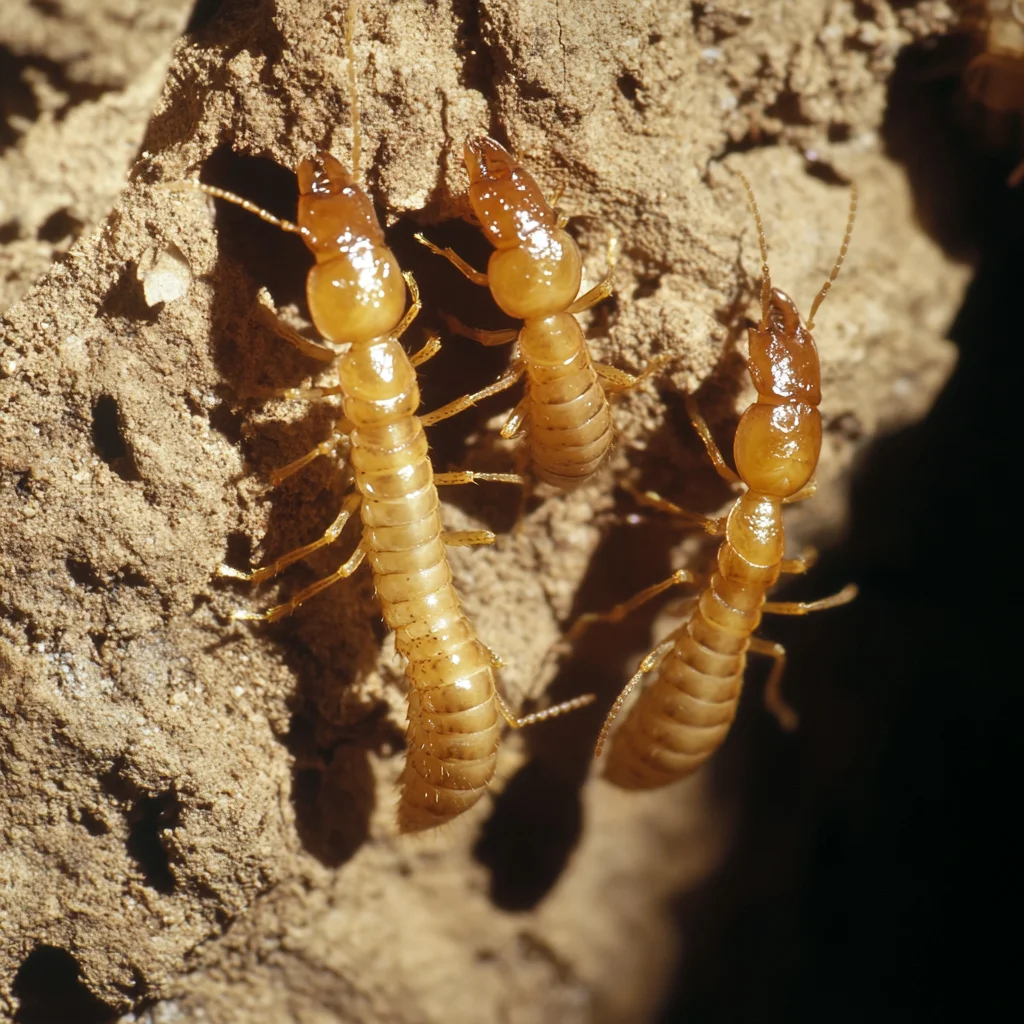
In Lakewood Ranch, FL, understanding the most common termite species in the area is vital for protecting your home from potentially devastating infestations. Florida’s warm, humid climate creates an ideal environment for several types of termites, each capable of causing significant structural damage if left unchecked. Among the most prevalent are subterranean termites, which build extensive colonies in the soil. These termites create mud tubes to move between the ground and wooden structures, making homes highly vulnerable if moisture and soil conditions are favorable.
Another common species in Florida is the drywood termite, which differs from subterranean termites in that they don’t require soil contact. They can infest dry wood directly, burrowing into furniture, beams, and walls, often causing damage that goes unnoticed until it becomes extensive. The West Indian Drywood Termite is especially prevalent in coastal areas and is known for its resilience in dry conditions.
One of the most destructive termite species found in Florida is the Formosan termite, an invasive subterranean species. Known for forming enormous colonies, Formosan termites can cause severe damage at a much faster rate than native species, making them a major concern for homeowners in Lakewood Ranch. Lastly, native subterranean termites, such as Reticulitermes flavipes and Reticulitermes virginicus, are also found throughout the state. While not as aggressive as their Formosan counterparts, they still pose a serious threat by targeting the wood in homes from below the soil.
Given the diversity of termite species in Lakewood Ranch, regular inspections and preventive measures are crucial. Working with a local pest control professional can help protect your home from these silent destroyers year-round.
Advances in Termite Control – The Power of Non-Repellent Insecticides
Termite control products have come a long way, thanks to advancements in pest management technology and regulations by the EPA. Over the years, the market has shifted toward non-repellent insecticides.
Unlike older products, these non-repellents work because termites can’t detect them. As termites pass through treated areas, they unknowingly come into contact with the chemicals and carry them back to their colony.
Some of the most widely used termite control products today include Taurus SC, Termidor SC, Adonis 75 WSP, Dominion 2L, Tandem, and Altriset. Taurus SC and Termidor SC are both fipronil-based.
Chemical Used For Termite Treatments
Understanding Liquid Termite Treatments
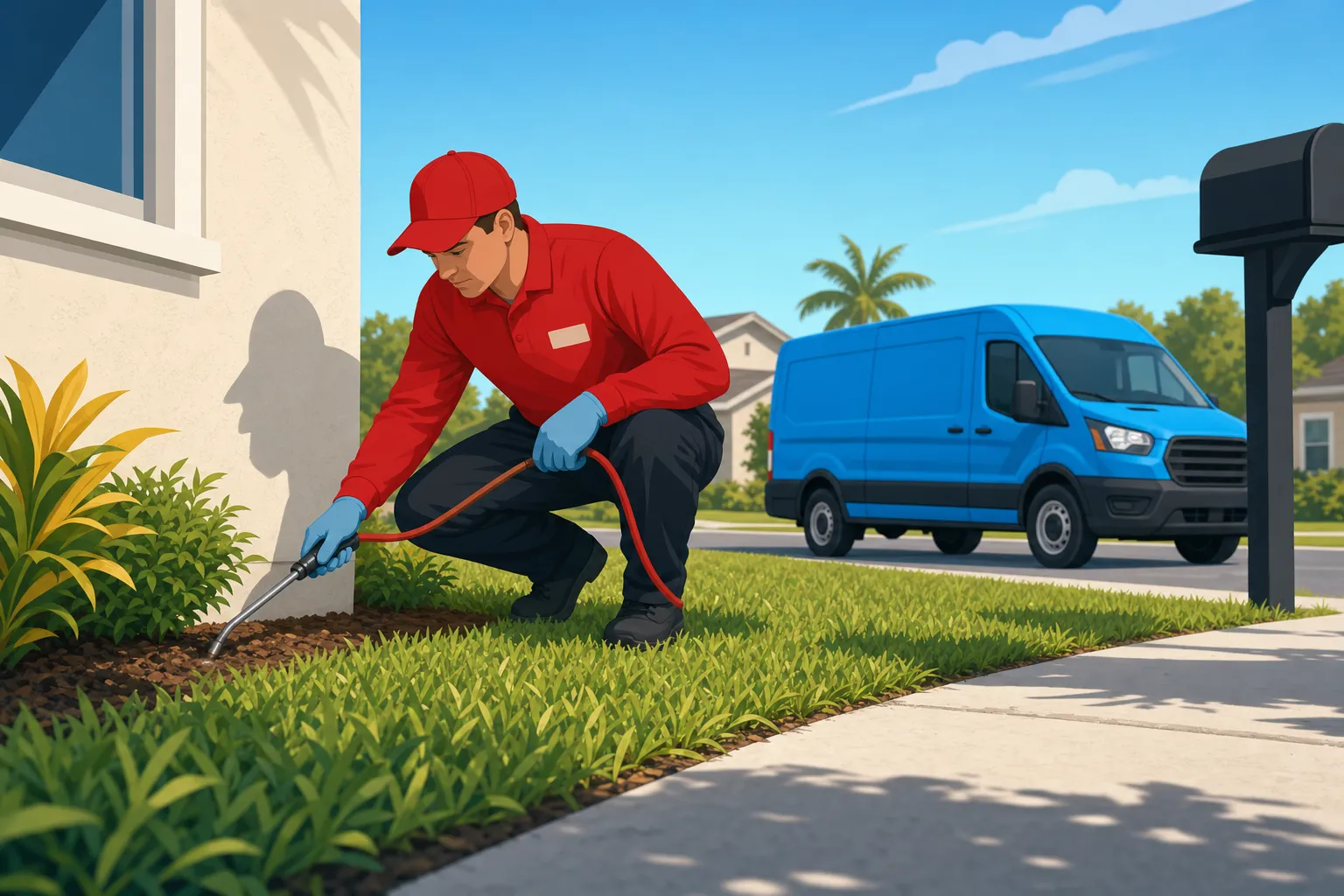
Liquid termite treatments, like Termidor or Taurus, are some of the most widely used solutions for termite control. This method involves applying a liquid termiticide to the soil around your home. Once the liquid is in the ground, termites pick up the chemical on their bodies as they tunnel through the treated soil, carrying it back to their colony.
Pros of Liquid Termite Treatment:
- Comprehensive coverage: It creates a continuous barrier around your home.
Considerations:
- Environmental impact: Since liquid treatments involve chemicals, there’s a risk of runoff if improperly applied or during periods of heavy rain.
- Time-consuming initial application: Installing a liquid treatment around your entire home can take longer upfront.
Exploring Termite Bait Stations
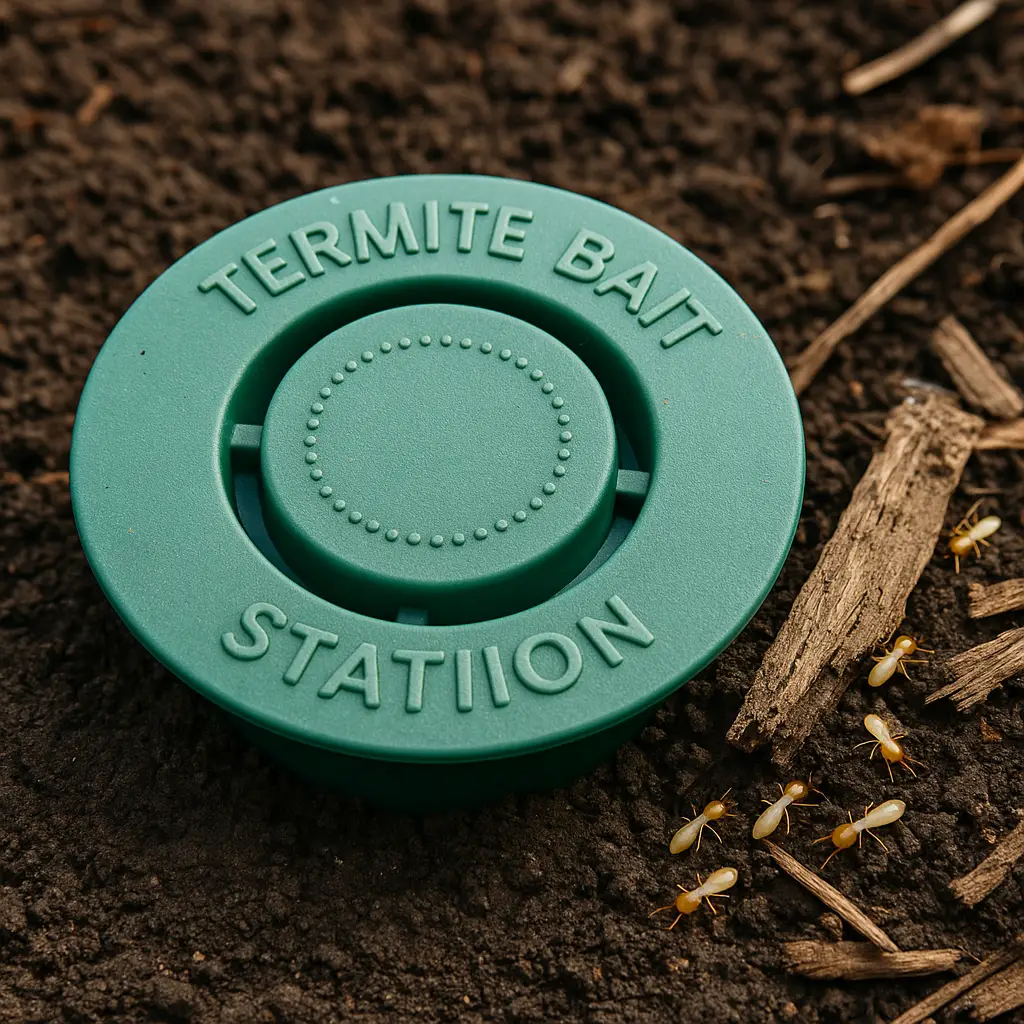
Termite bait stations work by luring termites to feed on a cellulose-based material that is laced with a slow-acting toxin. These stations are installed around the perimeter of your home. When termites find the bait, they consume it and carry the toxic substance back to their colony.
Pros of Termite Bait Stations:
- Easy to install: Placing bait stations in the ground is quick and doesn’t require heavy equipment.
- Monitored solution: Bait stations require regular checkups, which means a technician will consistently monitor termite activity, giving you peace of mind.
Considerations:
- Slower results: Unlike liquid treatments, bait stations rely on termites finding and feeding on the bait, which can take longer to eliminate the colony.
- Regular maintenance: Bait stations need to be checked and refilled annually, which can add to the ongoing cost of the system.
- Coverage gaps: Termites may not encounter the bait if the stations are not properly placed or spaced too far apart.
Which Termite Treatment Is Right for Your Lakewood Ranch Home?
When it comes to protecting your home from termites, choosing the right treatment is crucial. The best termite treatment for your home depends on several factors, including the type of termites and the severity of the infestation. Here are three methods we offer to help safeguard your home from these destructive pests:
- Soil Treatments: Applied directly to the soil beneath and around your home, this method creates a chemical barrier that termites must pass through. Soil treatments are used for subterranean termites, which build mud tubes to travel from their colony to food sources.
- Bait Systems: These systems work by attracting termites to a slow-acting poison that they bring back to their colony. Termite bait stations are often a popular choice for long-term prevention.
- Wood Treatments: Used primarily as a preventive measure, wood treatments are ideal for new construction projects. For existing homes, they can be combined with soil or bait systems to provide extra protection against future infestations.
Targeted Termite Treatments for Active Infestations
Already dealing with a termite problem? We offer specialized treatments to address active infestations:
- Spot Treatment: This localized method is used for isolated infestations of drywood termites, old house borers, or powder post beetles. It’s minimally invasive, targeting only the affected areas of your home.
- Fumigation: For more severe infestations or when termites have infested hidden areas, fumigation is an option. The whole structure is treated, including hard-to-reach places.
- Soil Treatments and Bait Systems for Subterranean Termites: If subterranean termites are the issue, we combine soil treatments with bait systems to attack termites at both the colony and individual levels, ensuring a comprehensive approach.
Each treatment method is tailored to your home’s specific needs. Whether you’re preventing termites or dealing with an active infestation, we have options to protect your home.
Making the Right Choice for Your Home
Regardless of the method, it’s crucial to have a termite protection plan in place for your Lakewood Ranch home.
If you’re unsure which option is best for your property, contact Waves Pest Control who can evaluate your situation and provide personalized recommendations. When done correctly, both termite bait stations and liquid termite treatments are options for protecting your home against these destructive pests.
Frequently Asked Questions (FAQs)
What is the difference between termite bait stations and liquid termite treatments?
- Termite bait stations work by attracting termites to a bait laced with a slow-acting toxin. Once termites feed on the bait, they carry the poison back to their colony.
- Liquid termite treatments, on the other hand, involve applying a termiticide to the soil around your home. Termites come into contact with the treated soil, carry the chemical back to their colony, and spread it.
Which treatment is faster at eliminating termites?
Liquid termite treatments generally work faster because termites are immediately exposed to the chemical when they come into contact with the treated soil. Bait stations, however, depend on termites finding and feeding on the bait, which can take longer.
How often do bait stations need to be checked?
Bait stations should be checked at least once a year by a licensed professional. During this check, the technician will refill the bait and ensure that the stations are still effectively placed to catch termites.
Can I install termite bait stations myself?
While it is possible to purchase DIY termite bait stations, professional installation is recommended. Pest control experts know where to place the stations, and they ensure that the correct bait and chemicals are used in accordance with local regulations and environmental considerations.
What happens if termites return after treatment?
Most professional pest control companies offer warranties with their termite treatments. If termites return during the warranty period, the company will typically re-treat your home at no additional cost. It’s essential to read the terms of your warranty carefully to understand what is covered.
Do I need to prepare my home for termite treatment?
For liquid treatments, you may need to ensure that the area around your home is clear of obstructions, so technicians can access the soil to apply the treatment. Bait stations usually require minimal preparation, as they are placed in the ground around the perimeter of your home.
How can I prevent termites from coming back after treatment?
Regular annual inspections are crucial in preventing termites from returning. Keeping your home free of excess moisture, fixing leaks, and reducing wood-to-soil contact are also effective ways to make your home less attractive to termites.
Can I combine both termite bait stations and liquid treatments?
Yes! Some homeowners choose to use both treatments for added protection. A combination approach can provide the immediate effects of a liquid treatment along with the ongoing, monitored protection of bait stations.
Which treatment offers a better warranty?
Both liquid termite treatments and bait stations typically come with warranties. The length and terms of the warranty vary depending on the company and the treatment used. Be sure to ask about warranty details, including any annual fees required to keep the warranty valid.