Jump to a section (9)
- 01Key Takeaways
- 02Understanding Winged Termites
- 03Identifying Flying Termites
- 04Recognizing Termite Infestation Signs
- 05Distinguishing Between Flying Termites and Flying Ants
- 06Insights into Termite Swarmers
- 07What to Do About Flying Termites
- 08Practical Tips for Preventing Flying Termites
- 09Frequently Asked Questions (FAQs)
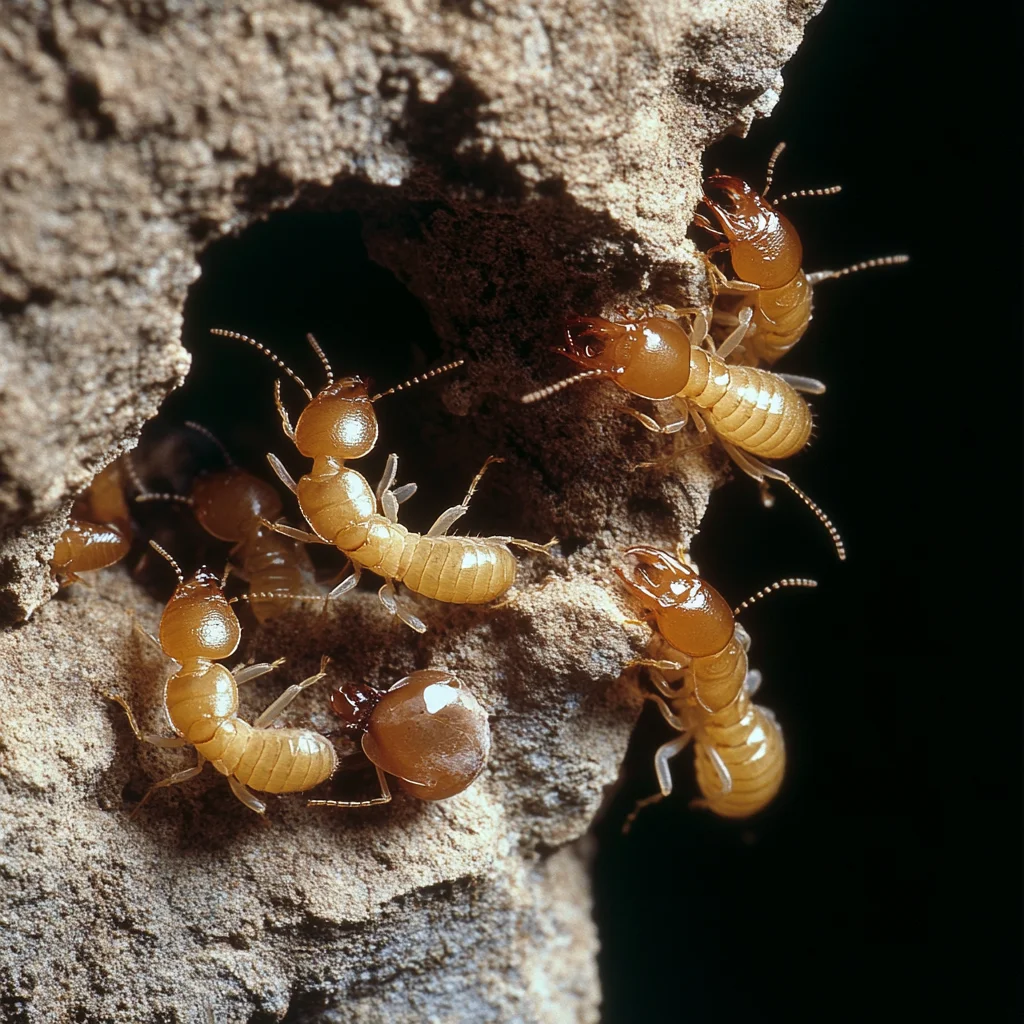
When you spot flying termites swarming around your home, it’s a clear sign that a termite colony is nearby. These winged insects, often mistaken for flying ants, are actually reproductive termites looking to establish new colonies. Their primary job is to leave the nest, mate, and establish new colonies. They are different from worker and soldier termites, which remain wingless throughout their lives.
Flying termites, also known as alates, are more than just a nuisance; they can indicate a serious infestation problem. It is essential to get rid of flying termites and tackle the issue head-on before it escalates.

Key Takeaways
- Identify Flying Termites: Understanding the physical distinctions between flying termites and ants is crucial for proper management and control measures. Look for their straight waist, uniform wings, and straight antennae.
- Significance of Swarming: Swarming signals a nearby termite colony’s attempt to reproduce and establish elsewhere. Recognizing the seasonal patterns of swarming helps in promptly addressing potential infestations.
- Recognize Infestation Signs: Key indicators include discarded wings, mud tubes, blistered wood, and faint clicking sounds within walls. Early detection is essential to prevent structural damage.
- Professional Inspection: Flying termites indoors are a reason for a professional termite inspection.
- Light Attraction Management: Since flying termites are drawn to light, adjusting outdoor lighting and sealing entry points can reduce their likelihood of entering homes.
- Proactive Pest Control: Implementing integrated pest management strategies is vital in termite-prone regions like Lakewood Ranch to protect properties from extensive damage.
Understanding Winged Termites
Winged termites, commonly referred to as alates, play a crucial role in the termite lifecycle. During warm periods and after rain, they leave their colonies to establish new ones. You might observe their presence in large numbers, signaling a termite swarm within Lakewood Ranch and surrounding areas. This behavior highlights a potential risk to your property, as these termites seek to reproduce and expand their territories.
Biologically distinct from workers and soldiers, winged termites play a critical role in the growth and spread of colonies. What sets them apart is their reproductive capability. When these swarmers emerge from the soil—often leaving behind discarded wings—they signal the start of a new colony. A key trait of these termites is their two pairs of wings, both of equal length, a signature characteristic of the reproductive caste.
Identifying winged termites early is crucial for preventing infestations. Once they land, they shed their wings, marking the moment they’ve chosen a spot to build their colony. You’ll often find piles of these wings near windows, doorways, or around light sources after a swarm, offering a telltale sign that termites are looking to establish themselves within your home. Prompt recognition of these discarded wings can help you act quickly and avoid significant structural damage.
From an environmental perspective, alates contribute to network balance by recycling dead wood and plant material. Yet, when near human dwellings, they become problematic. Their presence often reflects the strength of the local termite population, emphasizing why both eradication and prevention are vital in regions like Lakewood Ranch, where wooded suburban settings are prevalent.
Addressing winged termites involves understanding their attraction to light. They commonly swarm at dusk, drawn to light sources. This makes outdoor lighting and entry points like doors and windows potential congregation areas. Mitigation begins by adjusting such environmental factors, reducing their intrusion likelihood.
In terms of agricultural impact, winged termites can affect crop yields and plant health. Though primarily interested in decaying organic matter, their expansion poses a threat to wooden structures and some vegetation in gardens and farms. Protection of agricultural assets requires vigilance and early detection methods.
Your familiarity with these aspects aids in developing strategies to get rid of flying termites effectively, safeguarding properties and maintaining ecological balance. Recognizing the signs of termite activity and acting promptly ensures the security of your home environment.
Identifying Flying Termites
Identifying flying termites is crucial in addressing potential infestations. Known as alates, these winged insects are part of the reproductive caste within termite colonies. Usually seen during swarming season, they leave their nests to create new colonies, making their identification vital for homeowners, especially in termite-prone areas like Lakewood Ranch.
Flying termites resemble winged ants but are distinct in several ways. Look for a straight waist rather than the pinched waist of ants. Their wings, uniform in size and shape, are longer than their bodies and translucent. Also, flying termites have straight antennae, while ants have bent ones.
During swarming, you may notice these insects near light sources. Alates are attracted to lights, so you might spot them near windows, porch lights, or lamps. This behavior increases their visibility and helps in identification, potentially allowing you to address termite issues early.
Plus to visual identification, listen for a faint buzzing sound as they fly, which can sometimes be heard during swarms. This sound, combined with sighting, further confirms the presence of flying termites, signaling the need for preventative measures.
Being aware of these signs allows you to act promptly. Understanding what makes flying termites unique from other insects ensures you take proper steps to get rid of flying termites and protect your home effectively.
Recognizing Termite Infestation Signs
Spotting termite infestation signs early aids greatly in preventing damage. You’ll often find mud tubes first—these are narrow, earthen tunnels termites construct for shelter. Inspect mostly around the home’s foundation or crawl spaces, particularly in Lakewood Ranch, where humidity favors their growth.
Flying termites emerge in large swarms, usually after rain and in warm, humid conditions. This flight is called a nuptial flight. Males and females pair up mid-flight, mate, and look for a suitable place to start a new colony.
Discarded wings in window sills or near light sources indicate a recent swarm, hinting at a mature colony nearby. When you see these, it’s time to act quickly to get rid of flying termites. Blistered wood surfaces, as if water-damaged, are another telltale sign; termites consume the wood from within, leaving a thin, outer layer.
Listen for subtle clicking sounds within walls; this noise comes from worker termites and can be especially crucial at early stages. Larger structural damages often manifest as difficulty opening doors or windows, as termites cause frames to warp.
In gardens or agricultural settings, dying plants or crops might be another sign; subterranean termites sometimes damage roots. Keep an eye out for sunken tracks in soft landscapes, which indicate their paths beneath the surface.
Finally, nighttime observations can reveal flying termites, as they’re drawn to lights. Address outdoor lighting, inspect if alates consistently show up, and consider sealing windows and cracks to mitigate entry. Recognizing these indicators ensures prompt and effective termite control strategies.
Distinguishing Between Flying Termites and Flying Ants
Easily confuse winged termites with flying ants, but key differences exist. Flying termites, or alates, have a straight waist, while flying ants display a pinched waist. Observe the wings: termite wings are uniform in size, appearing even when folded back. In contrast, ant wings show disparate lengths, with the front pair longer than the rear.
Flying termites are often confused with flying ants. However, flying termites have:
- Straight antennae (unlike the elbowed antennae of ants).
- Equal-length wings (ants have one pair of wings larger than the other).
- Thick waists (ants have narrow, pinched waists).
Inspect the antennae for further differentiation. Alates boast straight antennae, unlike the bent or elbowed antennae of ants. This distinction aids in correctly identifying the pest and implementing the right measures to get rid of flying termites near your home.
Recognize behavioral patterns as a clue. Flying termites generally swarm during warm months following rain, indicating a nearby colony seeking to establish. Different species of termites swarm during different times of the year. Subterranean termites (common in the U.S.) typically swarm in spring, while drywood termites often swarm during late summer or fall. Frequently, you’ll find them attracting towards light, an element less common in flying ants, who don’t rely as heavily on light sources for swarming.
Sound can further refine identification. Flying termites often produce a faint buzzing, a subtle yet distinct signal during swarming activities. In Lakewood Ranch, stay vigilant during termite swarming season to protect your property from potential damage these pests inflict.
Understanding these characteristics helps residents of Lakewood Ranch confidently distinguish between flying termites and ants, ensuring swift and appropriate interventions. Carry out pest control strategies effectively by accurately identifying these two insects, mitigating potential menace quickly and efficiently.
Insights into Termite Swarmers
Observing flying termites, or alates, can indicate an existing or emerging termite infestation. These winged insects serve as the reproductive castes within termite colonies and play a critical role in their life cycle.
Reasons for Termite Swarming
Swarming occurs when conditions are optimal for termite colonies to expand. Mature colonies produce swarmers during exact periods, driven by the need to reproduce and establish new colonies. Swarming is vital for dispersal, ensuring genetic diversity and colony survival. Alates seek out mates and suitable locations to form new termite colonies. This ritual, although beneficial for termites, poses important risks to homes, especially in warm, humid areas like Lakewood Ranch.
Timing of Termite Swarms
Termite swarms commonly happen in spring and early summer during warm afternoons, following rainfall. Swarming patterns depend on species, with subterranean termites in Lakewood Ranch typically swarming in spring. Meanwhile, drywood termites may swarm in late summer. Understanding these patterns helps anticipate and address termite threats effectively, aiding homeowners in timely intervention to protect structures from potential damage.
What to Do About Flying Termites
Flying termites pose serious risks to homes, especially in areas like Lakewood Ranch. Swarmers indoors are a reason for a professional termite inspection, so that the colony can be located and the right treatment chosen.
Practical Tips for Preventing Flying Termites
Recognizing the signs of flying termites and acting swiftly can save your home from costly damage. Regular inspections and sealing entry points are essential steps in keeping these pests at bay. Adjusting your outdoor lighting can also reduce their attraction to your property.
Flying termites inside your home can be a warning sign of a termite infestation. If swarms are visible indoors, it often means termites have already established a colony inside the structure, potentially causing damage to wooden elements. If you see swarmers indoors, contact a professional for a termite inspection.
By understanding the behaviors and characteristics of flying termites, you can carry out targeted strategies to prevent infestations. Stay vigilant and proactive.
Frequently Asked Questions (FAQs)
What are flying termites, and why are they a concern?
Flying termites, or alates, are reproductive members of a termite colony. Their presence signals a nearby colony and potential infestation, posing a risk to homes and crops due to their ability to cause significant structural damage.
How can I identify flying termites?
Flying termites can be distinguished from flying ants by their straight waist, uniform wings, and straight antennae. They are usually seen near lights during swarming seasons and produce a faint buzzing sound while flying.
Why are flying termites attracted to light?
Flying termites are naturally drawn to light sources during their reproductive swarming phase. To reduce their attraction, homeowners can adjust outdoor lighting and seal entry points to prevent them from entering homes.
What signs indicate a termite infestation?
Signs of a termite infestation include mud tubes, discarded wings, blistered wood surfaces, and subtle clicking sounds inside walls. Homeowners should inspect foundation areas and crawl spaces, especially in humid regions.
When do termite swarms typically occur?
Termite swarms usually happen in spring and early summer under optimal conditions for reproduction and colony expansion. The timing can vary depending on the species, so understanding local patterns helps in preparation and intervention.
What should I do if I see flying termites?
Flying termites indoors are a reason for a professional termite inspection. Prompt action is crucial to prevent extensive damage from termite infestations.
How do I differentiate between flying termites and flying ants?
Flying termites have a straight waist, uniform wings, and straight antennae, unlike flying ants, which have a pinched waist, unequal-sized wings, and bent antennae. Accurate identification helps in effective pest control.