Dampwood Termites – Spotting the Signs of These Moisture-Loving Pests
Dampwood termite soldiers can reach 20 mm — roughly 2–3× the length of the subterranean termite soldiers most SWFL homeowners see.
Large size matters for triage: if you’re looking at a termite that’s noticeably bigger than a grain of rice, moisture — not soil contact — is what you’re fixing.
Dampwood termites are larger than most termite species and, as their name suggests, prefer moist or decaying wood. They are typically found in areas with excessive moisture, such as leaky roofs, water-damaged wood, or poorly ventilated spaces like crawl spaces and basements. Unlike subterranean termites, dampwood termites don’t require contact with soil, but they do need a high moisture content to survive.
You can often identify a dampwood termite infestation by looking for soft, water-damaged wood that crumbles easily. Dampwood termites also leave behind smooth, clean galleries within the wood, as they don’t carry dirt into their tunnels like subterranean termites do. Another sign of their presence is piles of frass (termite droppings) near the infested wood, though these droppings are often hard to spot in heavily decayed areas.
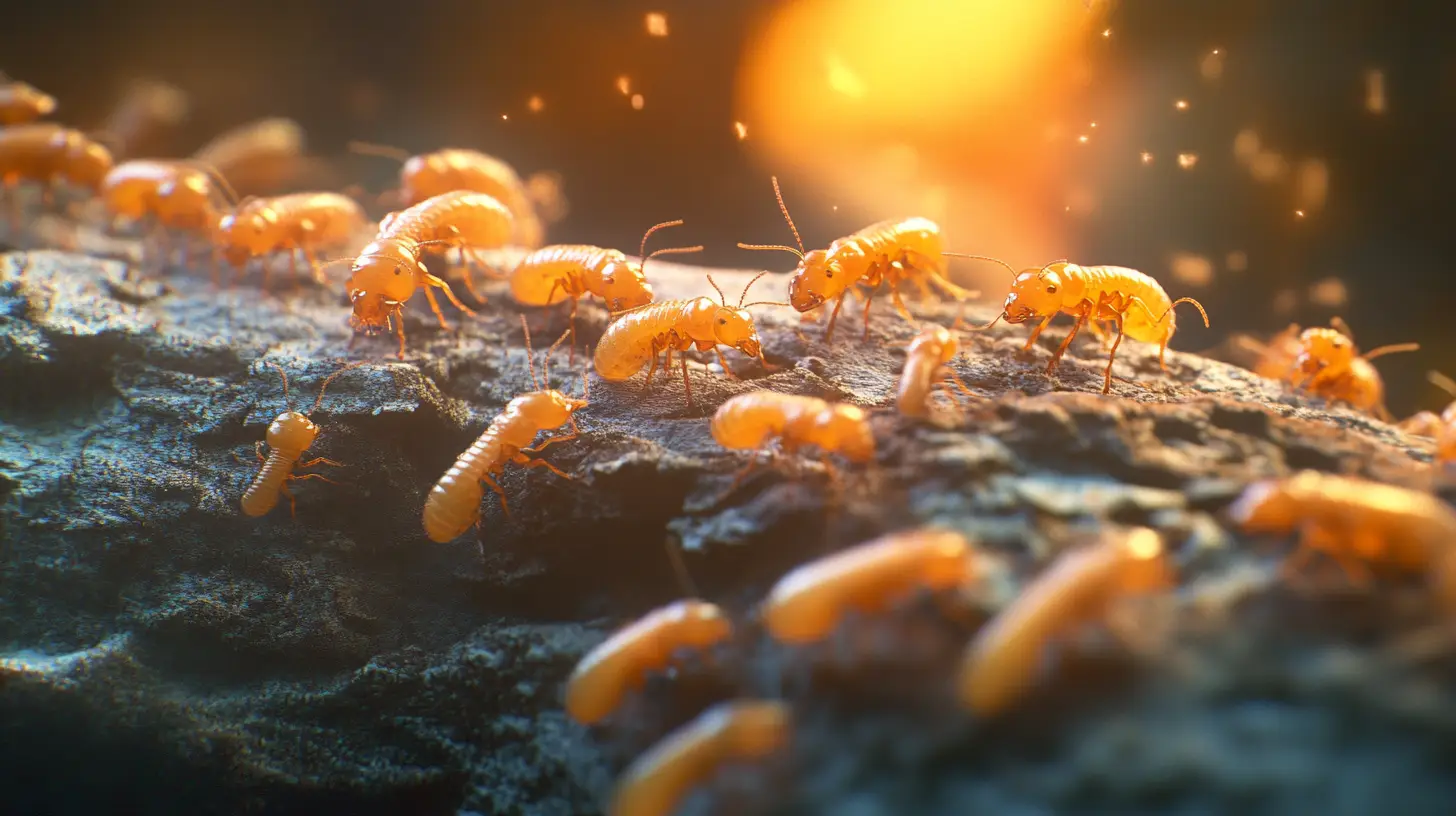
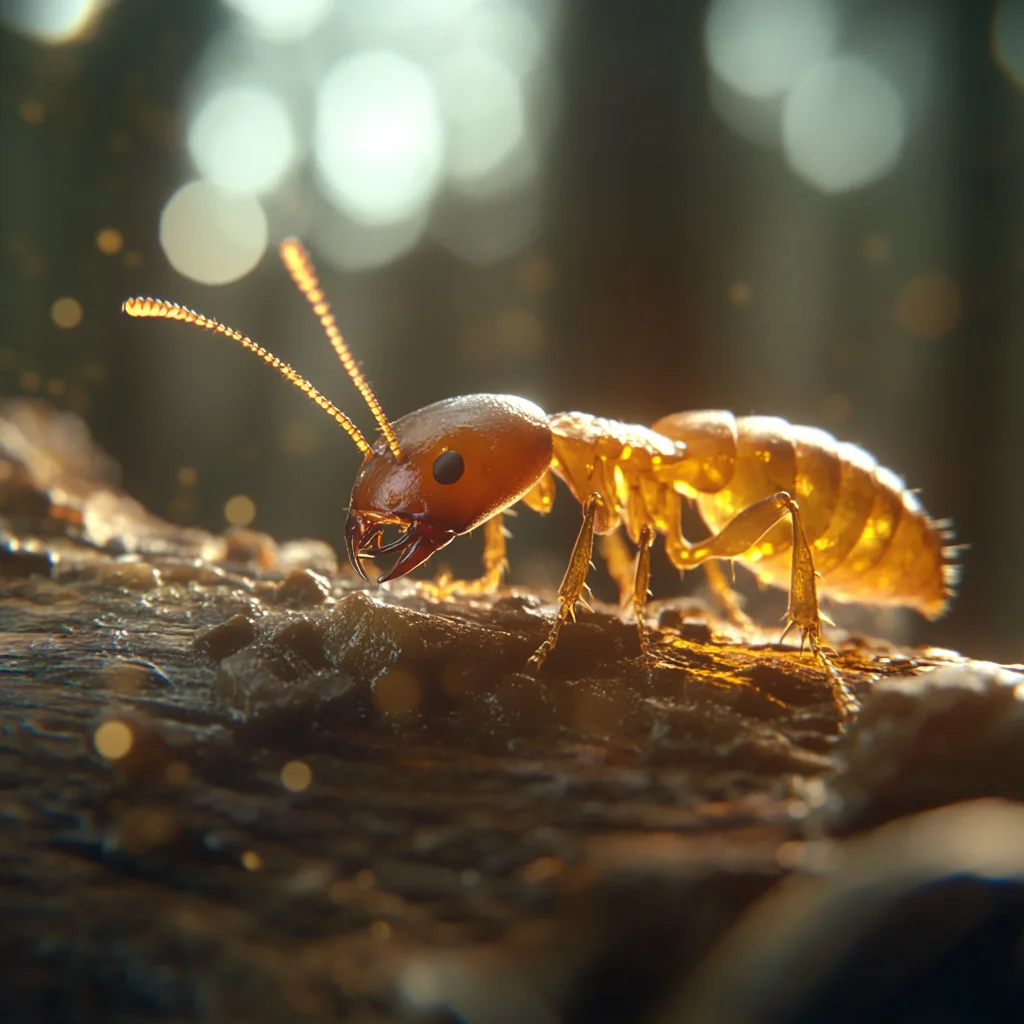
In terms of appearance, dampwood termites are larger than other termites, with soldiers measuring up to 20 mm long and having large, powerful mandibles. They are usually light brown to dark brown in color. While they don’t typically infest homes as frequently as other termite species, when they do, it’s often a sign of underlying moisture issues. Treating both the moisture source and the termites is critical for effectively eliminating dampwood termite infestations.
Types of Dampwood Termites in Florida
Three dampwood termite species are relevant in the Southeast:
-
Florida dampwood termite (Neotermes castaneus) — The most common dampwood species in southwest Florida. Colonies are small compared to subterranean termites (hundreds to low thousands, not millions), but they establish directly inside the wood they feed on. Found in water-damaged fascia boards, leaking window headers, and roof decking with chronic moisture exposure. This is the species you’re most likely to encounter in Manatee and Sarasota County homes.
-
Southeastern dampwood termite (Neotermes jouteli) — Larger colonies than castaneus, typically found in dead or dying trees rather than structures. Occasionally infests wood members in direct ground contact — fence posts, landscape timbers, untreated deck posts — where moisture wicks up from the soil.
-
West Indian dampwood termite (Cryptotermes brevis) — Technically a drywood species that’s sometimes grouped with dampwood termites because of its preference for wood with elevated moisture content. More common in coastal properties where salt air and humidity keep wood moisture levels higher than inland structures.
The distinction matters because dampwood termites are symptoms of a moisture problem, not a soil problem. Subterranean termites need soil contact. Drywood termites need nothing but wood. Dampwood termites need wood that’s already holding excess moisture — which means the fix always starts with finding and eliminating the water source.
Dampwood Termite Identification
Dampwood termites are noticeably larger than subterranean termites. Soldiers measure 12 to 20 mm with enlarged, dark-colored heads and prominent mandibles. Workers (technically pseudergates — dampwood termites don’t have a true worker caste) are cream to light brown and 10 to 15 mm long.
How to Distinguish Dampwood from Subterranean and Drywood
- No mud tubes. Subterranean termites build mud shelter tubes from the soil to the wood. Dampwood termites don’t — they live entirely inside the wood and don’t need soil contact.
- No frass pellets kicked out. Drywood termites push small, hard, six-sided frass pellets out of kick holes. Dampwood termites keep their frass inside the galleries and use it to seal openings — you won’t find frass piles beneath infested wood.
- Smooth, clean galleries. When you break open dampwood-infested wood, the galleries are smooth-walled and clean, without the mud lining that subterranean termites pack into their tunnels.
- Wood condition. The infested wood is always visibly moist, soft, or decaying. If the wood is dry and structurally sound, you’re looking at drywood termites, not dampwood.
- Swarmer size. Dampwood termite swarmers are the largest termite alates in Florida — up to 25 mm including wings. If the swarmer you found is significantly larger than a grain of rice, dampwood is likely.
Where to Look in a Southwest Florida Home
Dampwood termites don’t infest sound, dry structural lumber. They need wood that’s already holding moisture above 20%. Common locations:
- Roof fascia and soffit boards where gutter failures or flashing gaps allow chronic water intrusion
- Window and door headers with failed caulk or weatherstripping that lets rain in
- Bathroom and kitchen subfloors where slow plumbing leaks have gone undetected
- Crawlspace framing in older homes with inadequate ventilation
- Wood siding or trim in direct contact with soil or landscaping irrigation spray
- Deck and porch framing, especially where wood posts meet concrete without moisture barriers
How to Get Rid of Dampwood Termites
Dampwood termite treatment differs fundamentally from subterranean or drywood treatment because the termites are a secondary problem — the primary problem is always the moisture source.
Step 1: Find and Fix the Moisture Source
The termites can’t survive in wood below 20% moisture content. Before any chemical treatment, identify and repair the water intrusion:
- Repair or replace failed roof flashing, gutters, and downspouts
- Recaulk and weatherstrip windows and doors
- Fix plumbing leaks — even slow drips under sinks or behind toilets
- Improve ventilation in crawlspaces and enclosed porches
- Redirect irrigation spray away from wood siding and trim
- Eliminate wood-to-soil contact by installing concrete footings or metal post brackets
In many cases, eliminating the moisture source alone is sufficient — dampwood termite colonies desiccate and die when the wood moisture drops below their survival threshold.
Step 2: Remove and Replace Damaged Wood
Wood that’s been infested long enough to harbor a dampwood colony is structurally compromised. The moisture damage alone — independent of the termite galleries — usually means the wood needs replacement, not just treatment. Fascia boards, window headers, and subfloor sections that are soft or punky should be removed and replaced with treated lumber.
Step 3: Treat If Active Colony Remains
If the colony is still active after moisture correction and wood replacement (or if replacement isn’t immediately feasible), localized treatment with a borate-based product provides residual protection. Borate penetrates the wood and makes it toxic to termites while remaining low-toxicity for humans and pets. It also acts as a preventive — treated wood resists future dampwood infestation even if moisture conditions temporarily recur.
For large infestations in accessible structural members, direct injection of a liquid termiticide into the galleries provides faster knockdown. This is rarely necessary for dampwood termites, which form small colonies that respond to moisture correction alone in most cases.
When to Call a Professional
If you’ve found termites and aren’t sure whether they’re dampwood, drywood, or subterranean — call for an inspection before treating. The species determines the approach, and misidentifying dampwood termites as subterranean leads to expensive soil treatments that don’t address the actual problem. A licensed inspector can identify the species, assess the moisture source, and recommend the right combination of repair and treatment.
Call Waves Pest Control at (941) 297-5749 for a termite inspection. We’ll identify the species, find the moisture source, and give you a straight answer on what needs fixing.