Jump to a section (8)
Pest transmitted diseases might sound like something out of a scary movie, but here in Sarasota, they’re a very real part of our beautiful subtropical life. Between our year-round warmth, occasional heavy rains, and lush landscapes, we’ve basically rolled out the red carpet for mosquitoes, ticks, and other uninvited guests who can make us seriously sick.
Before you start planning your move to Alaska, take a breath. Understanding what we’re dealing with here in Southwest Florida – and knowing how to protect your family – makes all the difference between living in fear and enjoying everything our gorgeous county has to offer.
Key Takeaways
You don’t need to panic—just be smart. Here’s what works:
- Drain standing water: Buckets, birdbaths, and even clogged gutters breed mosquitoes.
- Cover up and use repellent: Especially during dawn and dusk. Look for DEET, picaridin, or oil of lemon eucalyptus.
- Do tick checks: After hikes, lawn work, or park time.
- Seal your home: Close off entry points for rats, roaches, and other pests.
- Know your symptoms: Sudden fever? Strange rash? Headache after outdoor exposure? Don’t ignore it—early treatment matters.
The Mosquito Menace: Florida’s Flying Disease Carriers
Let’s start with the obvious villain: mosquitoes. These tiny vampires aren’t just annoying – they’re responsible for some of the most serious health threats in our area.
West Nile Virus has become our unwelcome yearly visitor. Mosquito-borne illness advisories are issued when sentinel chickens (yes, that’s a real thing) test positive. West Nile can cause life-threatening brain inflammation, especially in older adults.
Then there’s Eastern Equine Encephalitis, a rare but serious mosquito-borne illness.
But here’s where things get really interesting (and by interesting, I mean concerning). Remember when malaria was just something you worried about when traveling abroad? Well, 2023 changed that game. Locally acquired mosquito-borne malaria cases were identified in Florida – the first in the United States since 2003. It was a wake-up call that even “eradicated” diseases can make a comeback.
Dengue fever, Zika virus, and chikungunya are the travel souvenirs nobody wants. These diseases typically arrive via infected travelers, but our local Aedes mosquitoes are more than happy to spread them around the neighborhood once they’re here.
Ticks: Small Bugs, Big Problems
While mosquitoes get most of the attention, ticks are quietly carrying their own arsenal of diseases through our parks and wooded areas.
Lyme disease isn’t just a Northeast problem – it happens here too, though thankfully less frequently. The telltale bull’s-eye rash is your body’s way of waving a red flag, but not everyone gets it.
Ehrlichiosis and Rocky Mountain spotted fever are the tick-borne diseases we see more often in Florida. That sudden fever after a weekend camping trip? Don’t ignore it.
The tricky thing about tick-borne illnesses is that early symptoms often feel like the flu. By the time you realize it’s something more serious, the window for easy treatment might be closing.
The Indoor Invaders: Rodents and Roaches
Think staying indoors keeps you safe? Think again. The pests living in and around our homes bring their own set of health risks.
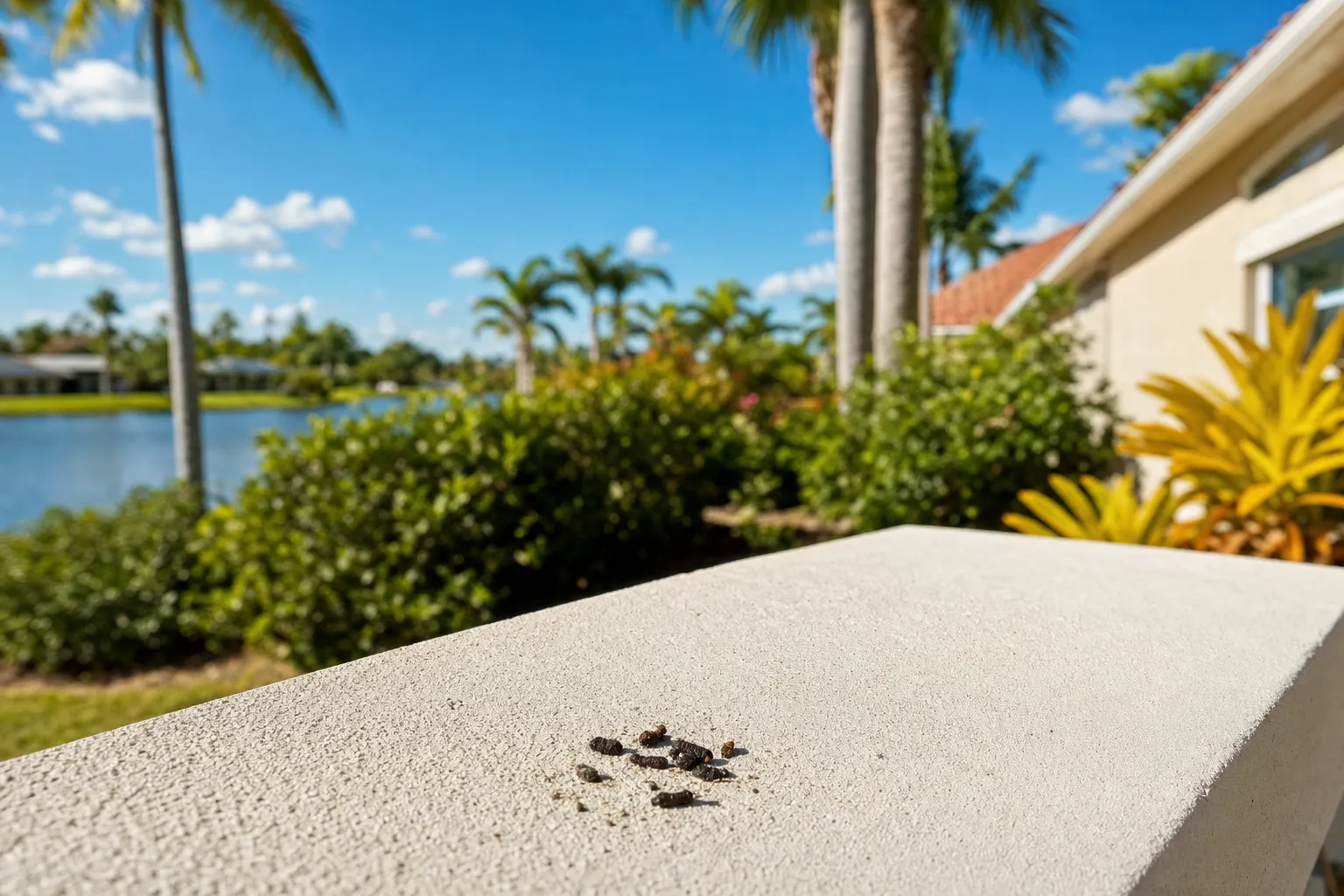
Rodents aren’t just gross – they’re genuine health hazards. Hantavirus is extremely rare in Florida, but it’s worth knowing about because it can be serious. Leptospirosis can also be spread by rodents.
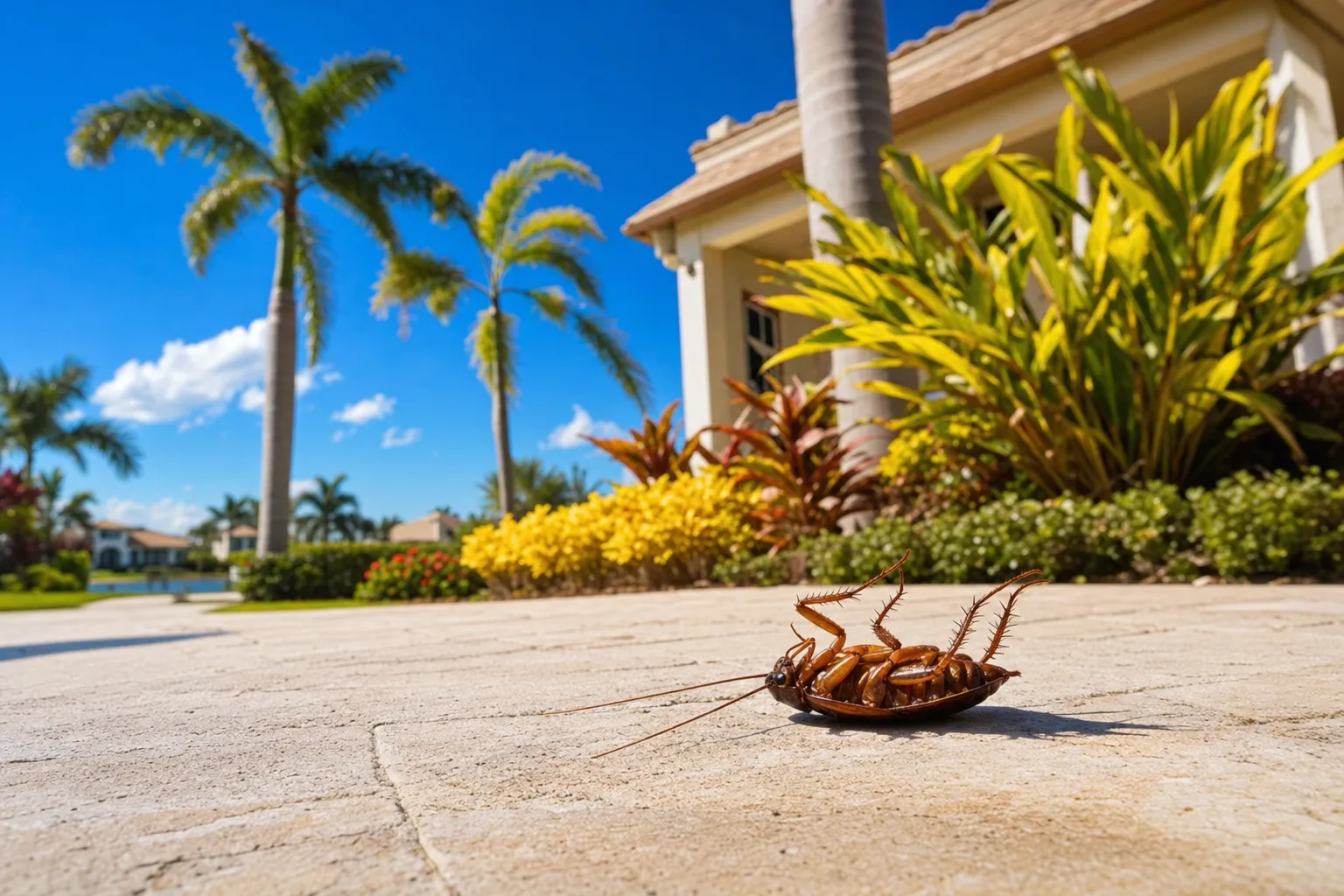
Cockroaches might not bite, but they’re walking disease factories. Every time they scuttle across your countertop, they’re potentially leaving behind Salmonella, E. coli, and other nasty bacteria. Even worse, their droppings and shed skin are major asthma triggers, especially for kids.
The Reality Check: What This Means for Your Family
Before you seal yourself in a bubble, remember that knowledge is power. When those sentinel chickens test positive for West Nile, it’s not cause for panic – it’s early warning that allows health officials to ramp up mosquito control and alert residents to take extra precautions.
Protection That Actually Works
The best defense is surprisingly simple:
- Drain standing water around your property. That decorative fountain, those plant saucers, even that camping cooler you forgot about – they’re all potential mosquito nurseries.
- Use repellent when you’re outside, especially during dawn and dusk when mosquitoes are most active. DEET works, but so do picaridin-based repellents if you prefer something that doesn’t smell like a chemical factory.
- Check for ticks after outdoor activities. Finding them early is your best bet.
- Keep your home pest-free. Seal cracks, store food properly, and don’t give rodents or roaches reasons to move in.
- Know the symptoms of common diseases. That sudden fever, headache, or unusual rash after a mosquito-heavy evening? Get it checked out.
Living Smart in Paradise
Here’s the thing about living in Sarasota: we get to enjoy incredible weather, beautiful parks, and outdoor activities year-round. The trade-off is sharing our space with some uninvited guests who occasionally cause problems.
The key is being smart about it. When West Nile activity spikes, maybe skip the evening jog by the bayou. When traveling to dengue-endemic areas, take extra precautions when you return. If you find a tick attached, don’t panic – just remove it properly and watch for symptoms.
Being prepared and informed means you can enjoy everything our area has to offer.
Because at the end of the day, a little caution goes a long way toward making the only thing you catch in paradise a great sunset.
Frequently Asked Questions (FAQs)
How serious is the threat of mosquito-borne illness in Sarasota?
West Nile is reported yearly, and rare diseases like malaria or EEE have popped up. Avoiding bites is key.
Can I get Lyme disease in Sarasota?
Yes, but it’s less common than in northern states. Still, blacklegged ticks are here, and cases do happen.
What symptoms should I watch for after a tick or mosquito bite?
Look for fever, rash, fatigue, body aches, or headaches after a bite. If anything feels off, especially after outdoor activity, get checked.
Are cockroaches really a health risk?
Absolutely. They carry bacteria, and their droppings are asthma triggers, especially in children.