If you recently moved to Bradenton thinking you’d left your pest problems behind in whatever frozen wasteland you came from, I have some news for you. Welcome to Florida, where the bugs don’t just visit – they move in, throw housewarming parties, and apparently never got the memo about personal boundaries.
But here’s the really fun part: some of these uninvited guests are basically the Navy SEALs of the pest world. They’re trained, they’re resilient, and they laugh in the face of your DIY spray bottles. Let’s talk about the absolute worst offenders – the pests that will make you question your life choices and possibly consider selling your house.
Key Takeaways
- Know your enemy: The hardest pests to eliminate in Bradenton are termites, German cockroaches, bed bugs, fire ants, and fleas. Each one has evolved specific survival tactics that make them incredibly difficult to control.
- DIY is not your friend: These pests require professional intervention. They’ve outsmarted store-bought solutions and developed resistance to common treatments.
- Early intervention is everything: The longer you wait to address these pests, the harder and more expensive they become to eliminate. A small German roach problem can become a massive infestation in just a few months.
- Prevention beats cure: Regular professional inspections and preventive treatments are far less expensive than dealing with full-blown infestations of these super-pests.
The Hall of Fame: Florida’s Most Stubborn Pests
Based on expert research and the tears of countless Florida homeowners, here are the five hardest pests to eliminate in Bradenton, ranked from “nightmare fuel” to “merely soul-crushing.”
1. Termites: The Silent Home Destroyers (AKA Your Mortgage’s Worst Enemy)
Congratulations, termites have officially won the “Most Likely to Ruin Your Life” award. These little monsters are basically tiny demolition crews working 24/7 to turn your house into sawdust.
We’re dealing with multiple termite species here, including the invasive Formosan termite (nicknamed the “super-termite” because apparently regular termites weren’t horrifying enough).
Why are they so impossible to eliminate? They’re basically living in an underground fortress you can’t see. They travel through mud tubes and inside your walls, munching on your home’s structure while you’re upstairs making dinner and helping with homework. Even when you think you’ve gotten rid of them, new colonies can pop up because you missed a few survivors hiding in places your treatment didn’t reach.
The kicker: Your homeowner’s insurance probably doesn’t cover termite damage either. Sweet dreams!
2. German Cockroaches: The Einsteins of the Roach World
If termites are the silent destroyers, German cockroaches are the obnoxious relatives who move in and refuse to leave. These guys have basically earned PhDs in survival and are laughing at your bug spray.
These roaches hide in your kitchen appliances, wall cracks, and anywhere else that’s warm and humid (so basically everywhere in Florida). They contaminate your food, trigger asthma and allergies, and reproduce faster than you can say “call the exterminator.”
3. Bed Bugs: The Hitchhikers from Hell
Remember when your biggest worry about hotel stays was whether the WiFi worked? Those were simpler times. Now we live in the age of bed bugs, nature’s most efficient travel agents.
These blood-sucking freeloaders are masters of hide-and-seek. They squeeze into mattress seams, furniture cracks, and wall crevices during the day, then emerge at night like tiny vampires to feast on your family.
The real problem? They’re ridiculously hard to spot until you’ve got a full-blown infestation. By the time you notice the telltale bites and blood spots on your sheets, they’ve already set up a thriving community in your bedroom furniture.
Many populations have developed resistance to common pesticides, and you might need multiple treatments because these guys are excellent at playing dead and hiding in places you’d never think to look.
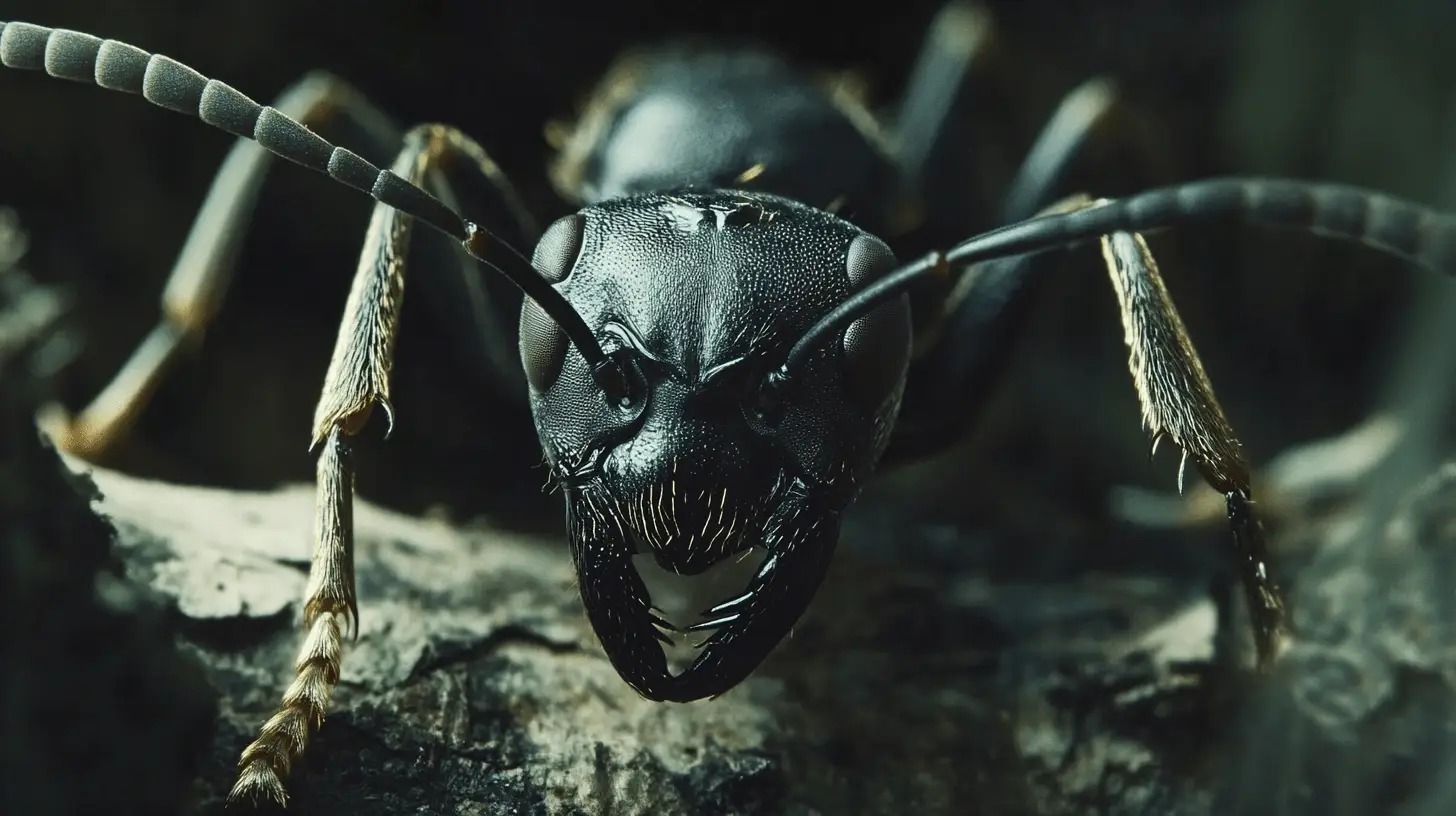
4. Red Imported Fire Ants: The Angry Landlords of Your Yard
Fire ants didn’t get the memo that your backyard is supposed to be a place of peace and relaxation. Instead, they’ve decided it’s prime real estate for their underground empire.
These guys are like the ultimate helicopter parents – they’re everywhere, they’re aggressive, and they will absolutely ruin your child’s outdoor playtime. Disturb their mound while mowing the lawn or let your kid step too close, and suddenly you’re dealing with a swarm of angry ants delivering painful stings that leave raised welts.
The worst part? They’re incredibly adaptable. After Florida’s frequent heavy rains, fire ant colonies just pack up and move – sometimes right under your patio or into your crawlspace. Kill one colony, and more can move in from neighboring yards.
5. Fleas: The Gift That Keeps on Giving
If you have pets, you probably thought you had flea control figured out. Spoiler alert: you don’t. Fleas are like that relative who says they’re visiting for a weekend and somehow ends up staying for six months.
The sneaky part is their life cycle – eggs, larvae, pupae, then adults. Those pupae can sit dormant in their cocoons for weeks or even months until they sense vibrations from potential hosts (that would be you, your kids, and your pets).
Florida’s heat and humidity turn your home into a flea breeding paradise.
The double-whammy is that you have to treat both your pets AND your entire house simultaneously. Miss either step, and you’re right back where you started. Those eggs hiding in your carpet fibers and yard are just waiting for their moment to shine.
Why These Pests Are Basically Unstoppable
What makes these five pests the absolute worst isn’t just that they’re gross or annoying – it’s that they’ve mastered the art of survival in ways that make our human attempts at control look adorable.
- They’re resistant: Many have evolved to shrug off the pesticides that used to work.
- They reproduce like it’s their job: Because it literally is. These pests have turned baby-making into an art form.
- They’re masters of hide-and-seek: They live in places you can’t see, can’t reach, and probably didn’t know existed in your house. Termites in underground tunnels, roaches in appliance cracks, bed bugs in furniture seams – they’re all basically living in pest penthouses.
- They adapt faster than you can keep up: Change your strategy, and they change theirs. Use a different bait, and they develop resistance. It’s like playing chess with insects, and they’re better at it than you are.
The Reality Check Every Bradenton Parent Needs
Here’s the thing no one tells you when you move to Florida: pest control isn’t a one-and-done situation. It’s a lifestyle. These pests didn’t survive millions of years of evolution just to be defeated by a can of Raid from Home Depot.
Professional pest control in Bradenton isn’t just recommended for these particular pests – it’s basically mandatory. These are the bugs that require specialized knowledge, professional-grade treatments, and often multiple visits to fully eliminate.
Your DIY efforts aren’t just ineffective against these pests; they can actually make things worse by causing them to scatter and establish satellite colonies in new areas of your home.
Frequently Asked Questions (FAQs)
What makes a pest hard to eliminate in Bradenton?
Several factors combine to create pest elimination nightmares in our Florida climate. Treatment resistance tops the list – many pests have evolved to ignore or survive common pesticides and baits. Extreme reproduction rates mean that missing even a few individuals during treatment can lead to rapid re-infestation. High adaptability allows pests to change their behavior, find new hiding spots, or relocate when threatened. Finally, regional prevalence means that even if you eliminate pests from your property, new ones are constantly moving in from neighboring areas.
Why are termites considered the hardest pest to eliminate?
Termites earn the top spot because they combine every nightmare scenario into one devastating package. They live in hidden colonies that are nearly impossible to locate and treat completely. Multiple species (subterranean, drywood, and invasive Formosan) can simultaneously infest different parts of your home. Their massive reproduction rates mean colonies can bounce back from partial treatments.
How do German cockroaches resist pest control treatments?
German cockroaches have basically evolved into tiny geniuses when it comes to avoiding death. Widespread insecticide resistance means populations can survive chemical treatments that would have killed their ancestors. They also exhibit behavioral adaptation, learning to avoid treated areas and changing their foraging patterns. Combined with their ability to hide in tiny cracks inside appliances and walls, they can outlast most homeowner elimination attempts.
What makes bed bugs so difficult to completely eliminate?
Bed bugs are masters of stealth and survival. They’re cryptic hiders that squeeze into mattress seams, furniture cracks, and wall crevices that are nearly impossible to treat thoroughly. Their life cycle includes dormant pupae that can wait weeks or months before emerging, meaning treatments often miss entire generations. Many populations have developed pesticide resistance, requiring specialized heat treatments or fumigation. They’re also excellent hitchhikers that spread via luggage and secondhand furniture, so re-infestation is always possible.
Why do fire ant colonies keep coming back after treatment?
Fire ants are like the hydra of the pest world – cut off one head, and two more appear. Massive reproductive capacity means mature colonies produce thousands of winged reproductives during mating flights. Polygyne colonies (those with multiple queens) boost egg production and make elimination more difficult. Their environmental adaptability allows them to relocate after flooding or treatment, sometimes moving under concrete or into structures. Even successful treatments often leave neighboring colonies that quickly move into treated areas, reestablishing the infestation.
What makes flea infestations so persistent?
Fleas turn your home into a reproduction factory with multiple hidden stages that are nearly impossible to eliminate simultaneously. The complex life cycle includes dormant pupae that can wait in cocoons for weeks or months, emerging long after you think the problem is solved. Dual treatment requirements mean you must successfully treat both pets and premises simultaneously – fail at either, and the entire infestation rebounds. Florida’s climate accelerates their development and enables year-round breeding.
Should I try DIY methods on these hard-to-eliminate pests?
Honestly? Save yourself the time, money, and frustration. These five pests have earned their “hardest to eliminate” status specifically because they’ve evolved beyond what DIY methods can handle. German roaches ignore baits, termites live in unreachable colonies, bed bugs hide in microscopic cracks, fire ants have backup colonies, and fleas have dormant stages that outlast surface treatments. DIY attempts often make problems worse by scattering pests to new areas or selecting for the most resistant individuals. Professional pest control isn’t just recommended for these pests – it’s practically mandatory for any hope of successful elimination.