Do plants that repel mosquitoes work? Not in the way the name suggests. UF/IFAS Extension says that growing “mosquito-repelling” plants around a patio does little to keep mosquitoes off the people sitting there. One UF/IFAS horticulture agent put it this way: certain plants do contain mosquito-repelling compounds, but “unless you’re extracting their oils and applying them like a spray, they’re not doing much just sitting in your garden” (UF/IFAS News).
Here is what the University of Florida’s extension offices and the CDC actually say about repellent plants, why the idea took hold, and what does lower your bites in Southwest Florida.
What UF/IFAS says about mosquito-repelling plants
Three different UF/IFAS Extension sources land in the same place.
- UF/IFAS News (2025). A piece on the “myth of mosquito-repelling plants” names eucalyptus, citronella, mint, basil, lavender, and marigolds as plants whose oils have deterrent properties. It then says that is not the same as protection from a plant sitting in the ground. On citronella candles, the agent quoted says there is anecdotal information, “but science hasn’t confirmed their bite-fighting power” (UF/IFAS News).
- UF/IFAS Extension Duval County (2023). An extension agent writes that “planting ‘mosquito-repelling’ plants isn’t effective” and lists citronella candles among commonly recommended strategies that have not been shown effective in studies (UF/IFAS Duval County).
- UF/IFAS Extension Leon County (2013). A Master Gardener volunteer reviewed citronella grass, rosemary, catnip, lavender, and marigold and concluded that planting them in or around the garden “isn’t likely to help very much,” unless you like how they look or smell (UF/IFAS Leon County).
These are extension articles, not research papers, and the Leon County one is from 2013. They reach the same conclusion, and it matches the newer UF/IFAS News piece. The CDC’s mosquito bite prevention page, for its part, lists no plants among its recommendations (CDC).
Why the belief exists
The idea is not made up from nothing. Plant oils are real ingredients in some repellents, and a few plants do contain compounds that deter mosquitoes. The leap is from “a product made from concentrated plant oil” to “the living plant protects my porch.”
The UF/IFAS mosquito repellent publication shows how big that gap can be. It lists citronella-based products with protection times of roughly 3 to 20 minutes, much shorter than the DEET products in the same table (UF/IFAS EDIS IN419). That is a processed product applied to skin, not a potted plant. The same publication adds that “natural” repellents are usually essential oils distilled from plants and that these oils can irritate at high concentrations, so natural does not mean harmless.
The CDC makes a related point: it does not know how well non-EPA-registered repellents work, “including some natural repellents” (CDC).
What does help, per the CDC and UF/IFAS
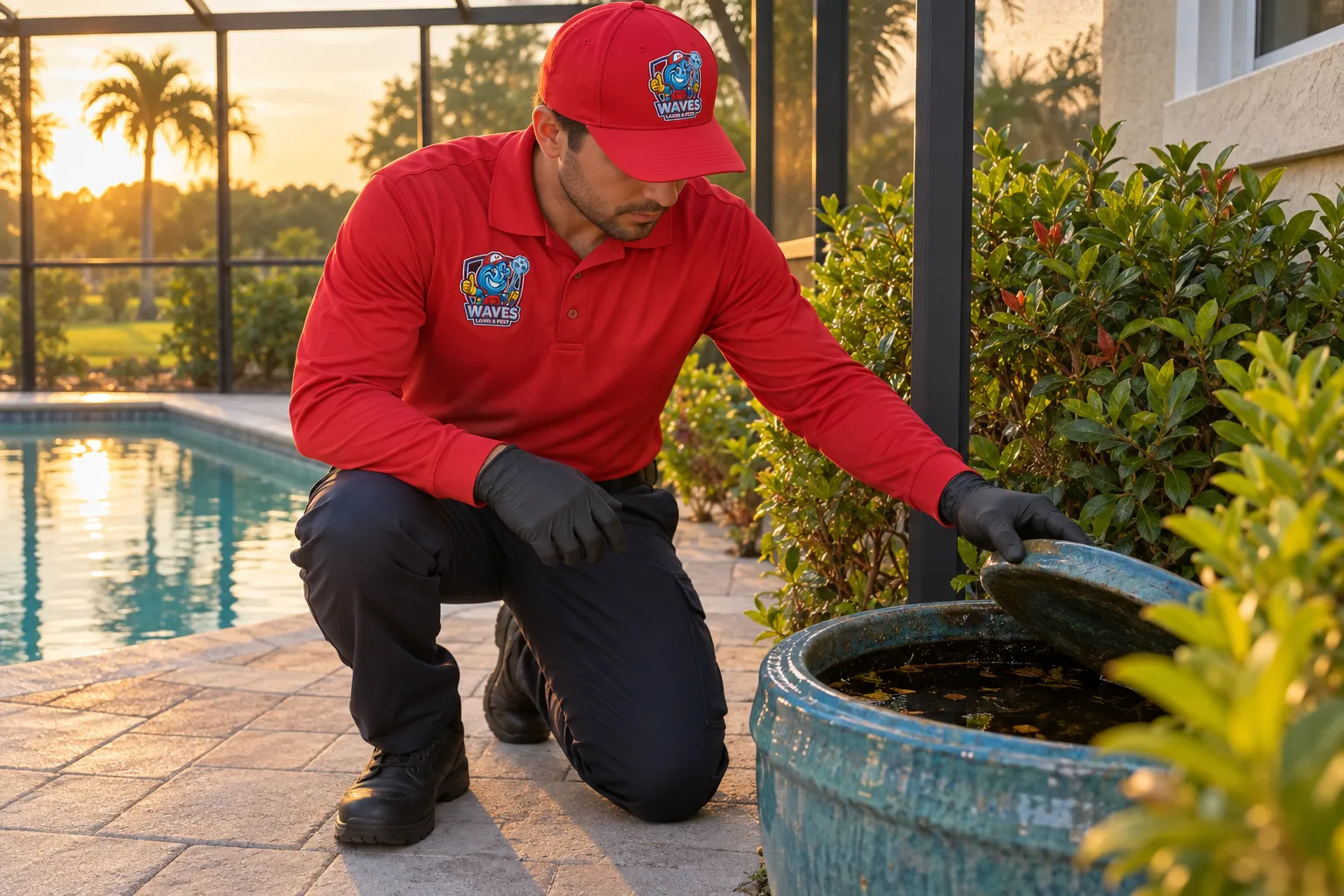
Dump standing water every week
This is the step every source agrees on. The CDC says to empty and scrub, turn over, cover, or throw out items that hold water once a week, naming tires, buckets, toys, pools, birdbaths, flowerpot saucers, and trash containers (CDC).
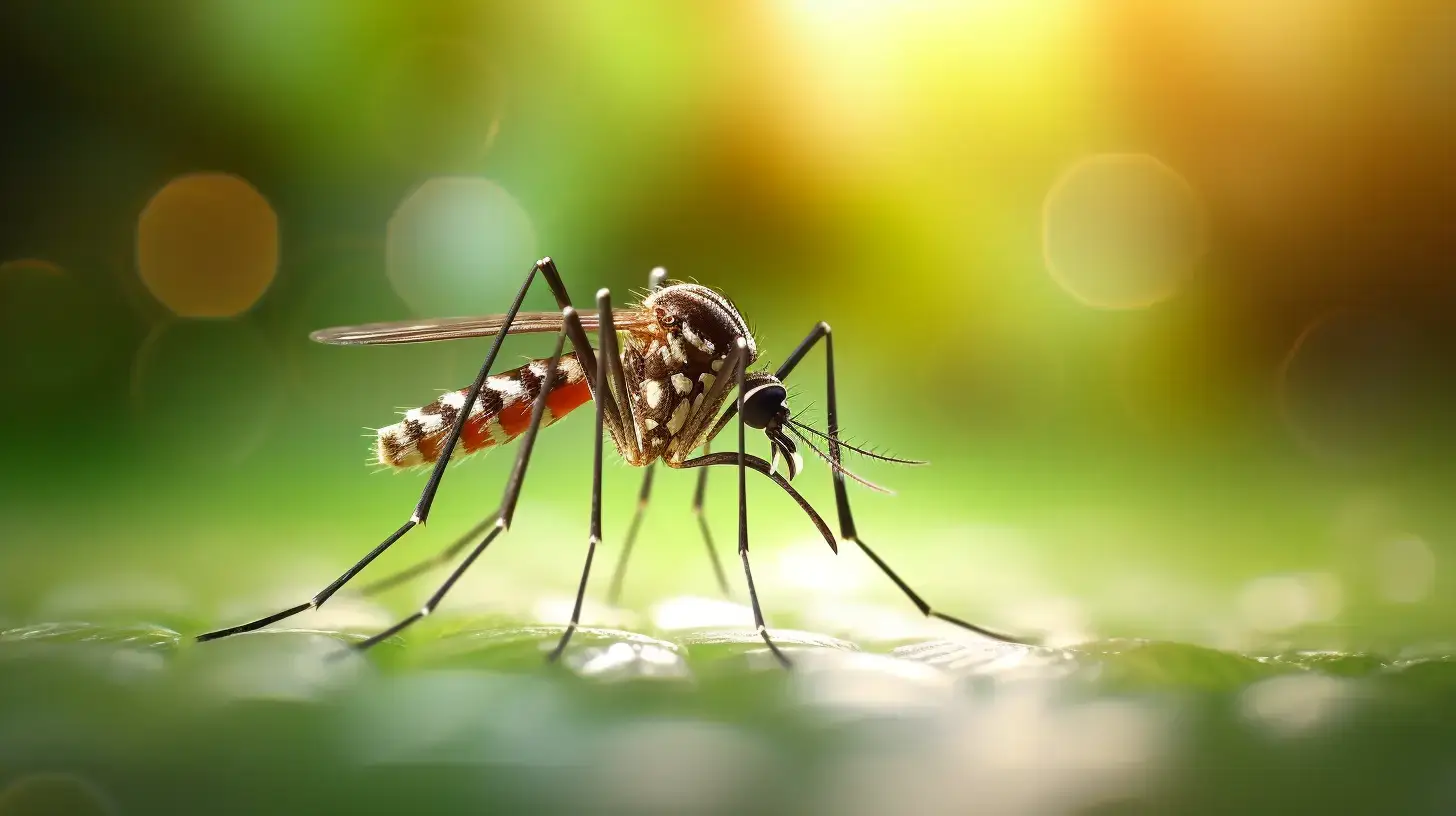
It matters in Florida because of how the common backyard mosquitoes breed. According to UF/IFAS, the Asian tiger mosquito lays eggs on the sides of water-holding containers such as tires, pet water dishes, birdbaths, and flowerpots, and it is found in all 67 Florida counties. It bites during the day, with feeding peaks in the early morning and late afternoon (UF/IFAS EDIS IN594). UF/IFAS Extension Sarasota County adds that “it only takes a bottle cap’s worth of water” to breed mosquitoes, and suggests using a turkey baster to check bromeliads, birdbaths, and fountains for larvae (UF/IFAS Sarasota County).
UF/IFAS News also says to cover rain barrels with screens and mentions mosquito-eating fish (Gambusia) for permanent water features (UF/IFAS News). Sarasota County residents can ask the county about its program: Mosquito Management Services provides mosquitofish to eligible properties for free, according to the extension office’s FAQ.
Use an EPA-registered repellent, and read the label
The CDC lists these EPA-registered active ingredients: DEET, picaridin, IR3535, oil of lemon eucalyptus (OLE), para-menthane-diol (PMD), and 2-undecanone. The CDC says not to use products containing OLE or PMD on children under 3 years old (CDC). The EPA explains that a registration number means the company gave the agency technical information on the product, including its effectiveness against mosquitoes or ticks (EPA). Read and follow the product label for how much to use and where.
Keep them out and cover up
The CDC recommends screens on windows and doors, repairing any holes, and using air conditioning when you have it. It also recommends loose-fitting long sleeves and pants (CDC). In Southwest Florida, a screened lanai only helps if the screens are intact.
A fan on the porch
This one is an opinion from an extension agent, not a study. The Duval County author writes that a favorite method is “a strong fan aimed at the front porch swing,” because mosquitoes cannot fly well in strong wind (UF/IFAS Duval County). Treat it as a reasonable low-cost thing to try on a porch or lanai, not a proven barrier.
Why timing matters in Southwest Florida
UF/IFAS Extension Sarasota County says the county’s rainy season runs from June 1 to September 30, when most of the year’s rain falls, and mosquito numbers rise with it. UF/IFAS News calls July and August the peak of both rainy and mosquito season across Florida. Rain fills containers, so that is when weekly dumping matters most. For a deeper look at the season, see our rainy-season guide to Manatee County mosquito control.
When a yard needs more than the basics
Emptying containers only works on water you can reach. If you have dumped, scrubbed, covered, and screened and still cannot use the yard, the breeding water may be somewhere you do not control, like a shared pond, a drainage area, or a neighbor’s property. That is the point where a licensed pest control company can inspect the property and talk through treatment options. Our overview of professional mosquito treatment explains what that looks like, and Waves Pest Control’s mosquito control in Lakewood Ranch page covers the service in that area. Whoever treats, ask what product is being used and have them follow the label.
Should I still plant them?
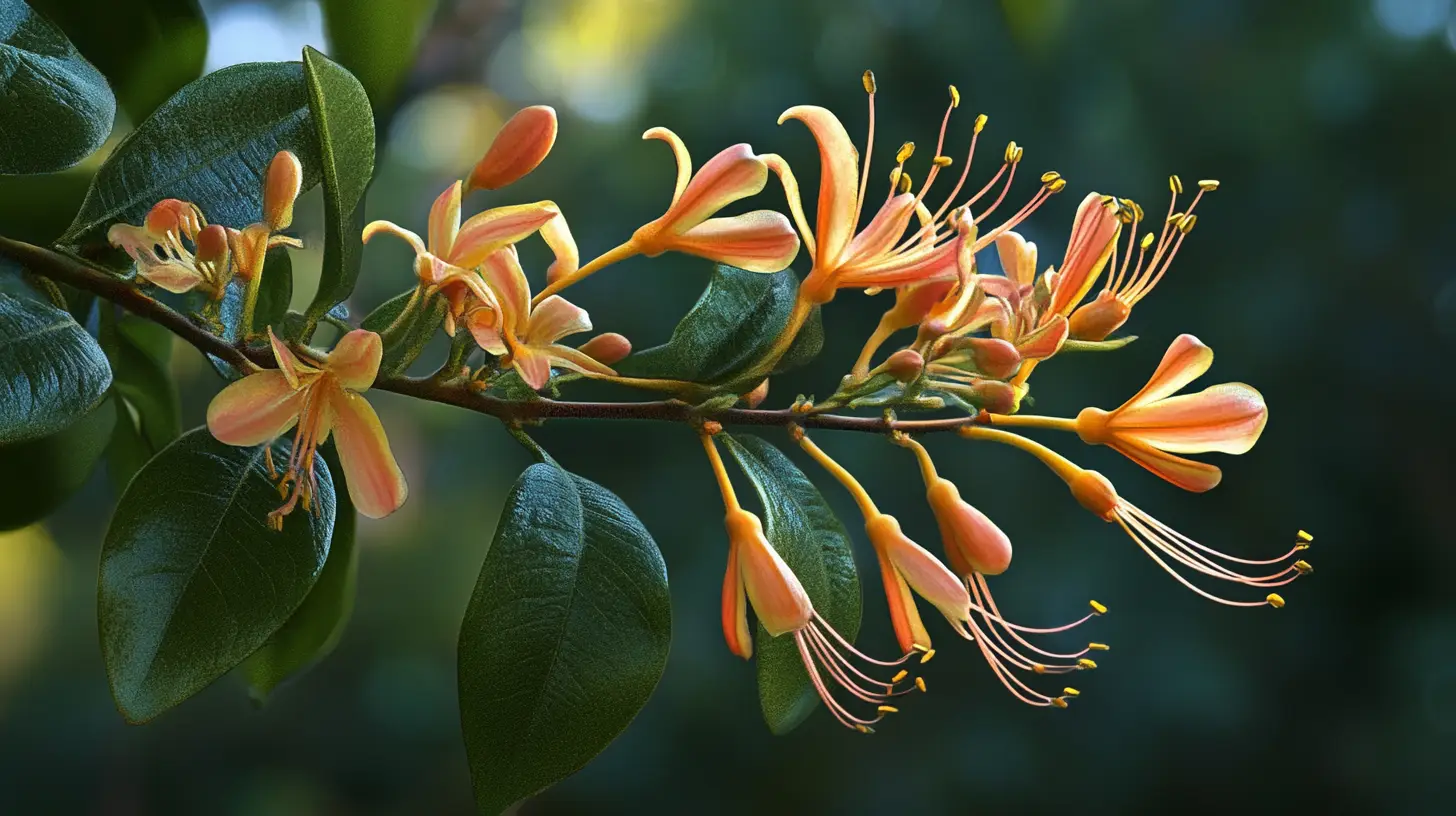
If you like how rosemary, lavender, basil, or marigolds look and smell, or you cook with them, plant them. Just do not count on them to cut your bites. The Leon County article’s own conclusion was that planting them is not likely to help much unless you like the look or smell of the plants, which is a fair reason to grow anything.
One practical Florida note: pots and bromeliads are containers too. The CDC lists flowerpot saucers among the water-holding items to empty weekly, and UF/IFAS advises dumping overflow dishes under potted plants frequently (CDC, UF/IFAS EDIS IN594). A patio full of potted “mosquito plants” with full saucers can add breeding sites instead of removing bites.
Frequently Asked Questions
Do mosquito repellent plants work?
UF/IFAS Extension says planting them around a patio is not effective at repelling mosquitoes. The plants contain oils with deterrent properties, but UF/IFAS says those oils do little unless they are extracted and used as a spray.
Does the citronella plant keep mosquitoes away?
UF/IFAS Extension says planting “mosquito-repelling” plants is not effective. Citronella-based products listed in a UF/IFAS repellent publication gave about 3 to 20 minutes of protection, and an extension agent says citronella candles have not been shown effective in studies.
What is the most effective way to cut mosquito bites at home?
Empty or cover standing water weekly, use an EPA-registered repellent following the label, and keep screens in good repair. These are the steps the CDC and UF/IFAS point to.
Which repellent ingredients does the CDC list?
DEET, picaridin, IR3535, oil of lemon eucalyptus, para-menthane-diol (PMD), and 2-undecanone. Do not use products with OLE or PMD on children under 3, and follow the label on any product.
Do fans help with mosquitoes?
One UF/IFAS extension agent names a strong fan as a favorite method on a porch because mosquitoes fly poorly in strong wind. That is the author’s stated preference, not a tested result, so treat it as something to try.
When should I call a professional?
If you have dealt with standing water and screens and still cannot use your yard, the source may be off your property. A licensed pest control company can inspect it and explain the options.