Those big, bumble-bee-looking bees hovering around your porch ceiling or deck rail are most likely large carpenter bees. The University of Florida’s summary of the problem is mild: “In general, carpenter bees are not much of a problem.”
Here is how to tell them from bumble bees, which two species live in Florida, what they actually do to wood, and what keeps them from moving in.
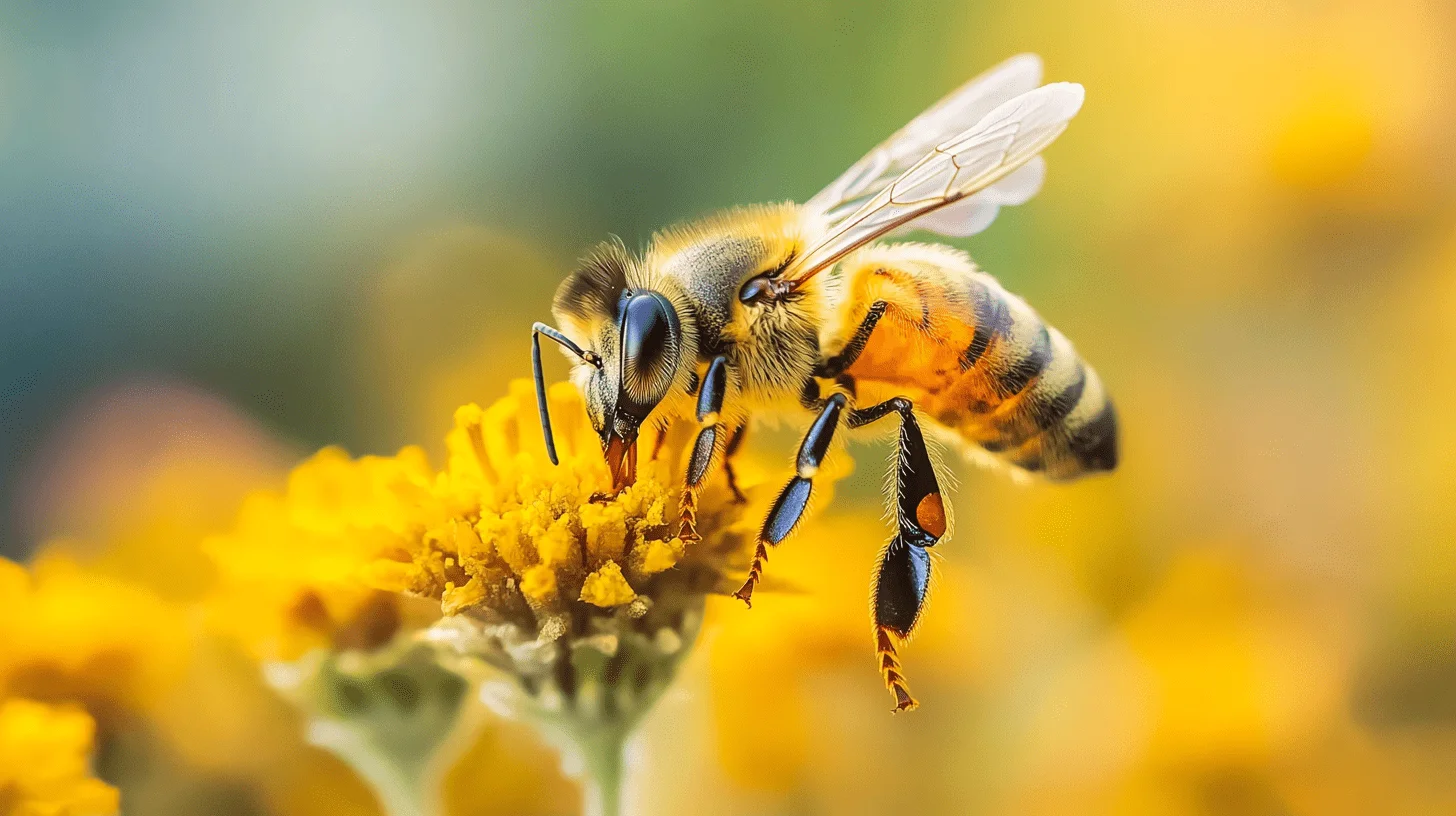
Florida’s carpenter bees
UF/IFAS says two large carpenter bees live in Florida, Xylocopa virginica and Xylocopa micans, and they are the only two in the eastern United States. A Florida-restricted subspecies of X. virginica ranges from Sumter and Lake counties south to Dade County, according to the UF/IFAS fact sheet (UF/IFAS).
You can tell them apart by color:
- X. virginica: females have a mostly black body with pale hairs on the thorax. Males have a black abdomen with a slight purplish tint.
- X. micans: females have a metallic purple body with black hairs on the thorax. Males have a metallic greenish-blue abdomen.
Large carpenter bees are 20 mm (about three-quarters of an inch) or longer. Florida also has two small carpenter bee species in the genus Ceratina, under 8 mm, which UF/IFAS says tunnel into pithy plant stems rather than solid wood.
Carpenter bee or bumble bee?
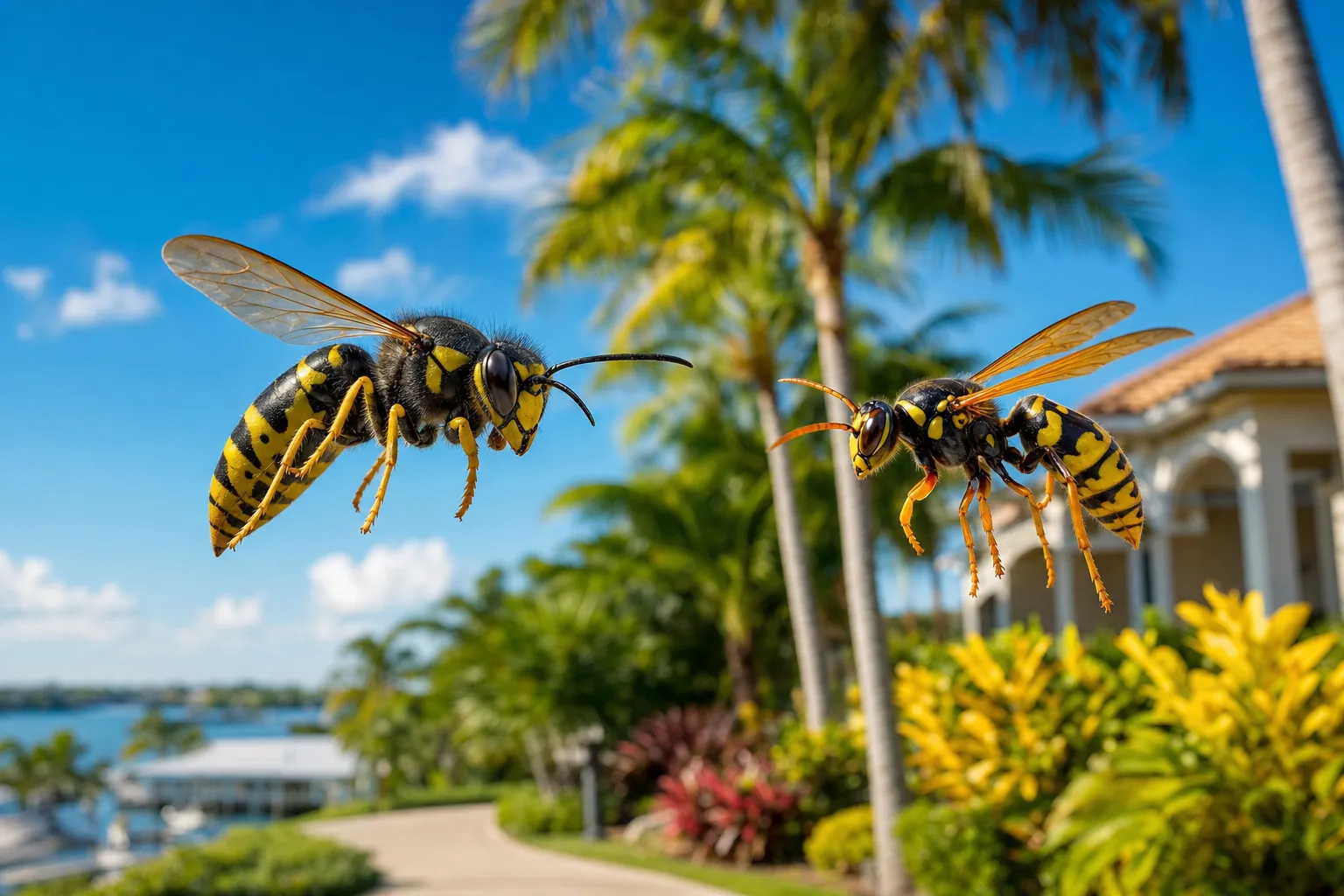
UF/IFAS says large carpenter bees look like bumble bees in size and somewhat in color. The easiest way to tell them apart is the top of the abdomen. A carpenter bee’s abdomen has no hair on top and is somewhat shiny. A bumble bee’s is hairy. Carpenter bees can have pale or yellowish hairs on the thorax, legs, or abdomen, but UF/IFAS says those hairs “are not as abundant or as intensely colored as in bumble bees.”
Males are the ones that hover and dart at you near the nest. UF/IFAS notes that male bees “may hover or dart at humans who venture into the nesting area,” and some males have yellowish patches on the face.
Do carpenter bees sting?
Females may sting, but UF/IFAS says rarely. Males may hover or dart at you near the nest. If a sting causes trouble breathing, serious swelling, chest pain, nausea, heavy sweating, or slurred speech, get emergency medical care right away; the CDC says severe allergic reactions to stings can be life-threatening (CDC). For a milder reaction that worries you, see a doctor.
What the damage looks like
UF/IFAS says large carpenter bees chew nesting galleries in solid wood, stumps, logs, or dead tree branches. Here is how that plays out on a house:
- Where. They often bore into the unpainted back face of the trim under the eaves. X. virginica picks well-lit spots where wood is not painted or covered with bark, according to UF/IFAS.
- The hole. A burrow about 15 mm (a little over half an inch) across. Galleries run roughly 30 to 45 cm (12 to 18 inches) in new nests, with six to eight egg cells end to end.
- The clues. A buzzing or drilling sound while a bee is boring, and sawdust on the ground below the hole if you can’t see the hole itself.
- Reuse. The bees tend to nest in the same places for generations. They refurbish old nests as well as starting new ones.
UF/IFAS, citing an older entomology source, lists four kinds of damage: weakening of structural timbers, streaking from bee droppings on houses and painted surfaces, tunnels in wooden water tanks, and plain human annoyance.
If you’re not sure what made the holes, our post on powderpost beetles covers another wood-boring insect.
They are also pollinators
Carpenter bees are not just a nuisance. UF/IFAS’s passion fruit guide says large carpenter bees are the most effective insect for pollinating passion fruit (UF/IFAS). If you have bees working your flowers and the only issue is a bit of buzzing, leaving them alone is a reasonable choice. The trouble is when they keep returning to the same wood on your house.
Keeping carpenter bees off your wood
None of these steps is a sure barrier. UF/IFAS’s guide to wood-infesting insects says painting, staining, or filling holes with putty “does not usually prevent the bees from digging a new tunnel” (UF/IFAS). They lower the odds, so keep inspecting.
- Paint or varnish exposed wood. UF/IFAS says carpenter bees rarely attack painted or varnished wood. UF/IFAS says problems often start on the back face of eave trim, because that surface is usually not painted.
- Plug holes once the bees are dealt with. UF/IFAS describes plugging as the last step, a few days after treating the nest. It doesn’t give a calendar date for it.
- Inspect when the bees are active. UF/IFAS cites an older Florida report of at least two broods a year, in February to March and in summer, with bees active from November to January and from April into summer. Check eaves, rails, and decks for sawdust and fresh holes.
If bees are already in the wood
UF/IFAS’s management advice is short. If problems come up, treat the nesting holes with a small amount of an insecticide labeled for bees and wasps, applied the way that product’s label directs. Dusts, liquids and aerosols are applied differently, so the label decides how it goes into the hole. After a few days, plug the holes with plastic wood, putty, or a similar material. The wait lets the adult female be exposed to the product before the hole is sealed.
Read the product label before you use anything, and follow the directions on it exactly. If the nest is up high, over a doorway, or you aren’t comfortable doing it yourself, a licensed pest professional can look at it. For general home pest service, see pest control in Lakewood Ranch. Not sure it’s a carpenter bee at all? Our Southwest Florida stinging insect guide covers the other things that buzz around a house.
Frequently Asked Questions
How do I tell a carpenter bee from a bumble bee?
Look at the top of the abdomen. UF/IFAS says a carpenter bee’s is bare and somewhat shiny, and a bumble bee’s is hairy.
Do carpenter bees sting?
Females can, but UF/IFAS says rarely. Males may hover or dart at people near the nest. Trouble breathing, serious swelling, chest pain, or slurred speech after a sting means emergency care right away; see a doctor for a milder reaction that worries you.
What kind of carpenter bees live in Florida?
Two large species, Xylocopa virginica and Xylocopa micans, according to UF/IFAS. Florida also has two small carpenter bees that nest in plant stems, not house wood.
How much damage do carpenter bees do?
Usually not much. UF/IFAS says carpenter bees are generally not a big problem, but they can weaken structural timber, streak painted surfaces with droppings, and annoy people. Nests are reused for generations, so repeat boring in the same wood can add up.
Does paint keep carpenter bees away?
It helps but isn’t a guarantee. UF/IFAS says carpenter bees rarely attack painted or varnished wood, and bare wood, especially the unpainted back of eave trim, is where they often start. But UF/IFAS also says painting, staining, or filling holes with putty doesn’t usually stop bees from digging a new tunnel, so keep checking the wood.
Should I fill the holes?
Yes, once the bees are dealt with. UF/IFAS says to plug holes with plastic wood, putty, or a similar material a few days after treating the nest, so the adult female is exposed first.