Jump to a section (11)
- 01Key Takeaways:
- 02Why Sarasota Gets So Many Midge Flies
- 03Step One: Start With the Water (Always)
- 04Step Two: Stock Up on Natural Predators
- 05Step Three: Make Your Lake Uncomfortable for Midges
- 06Step Four: Rethink Your Lighting (Seriously)
- 07Step Five: Biological & Chemical Controls
- 08Step Six: Community Cooperation (Because Midges Don’t Respect Property Lines)
- 09The Reality Check: You’ll Never Eliminate Them Completely
- 10Final Thoughts
- 11Frequently Asked Questions (FAQs)
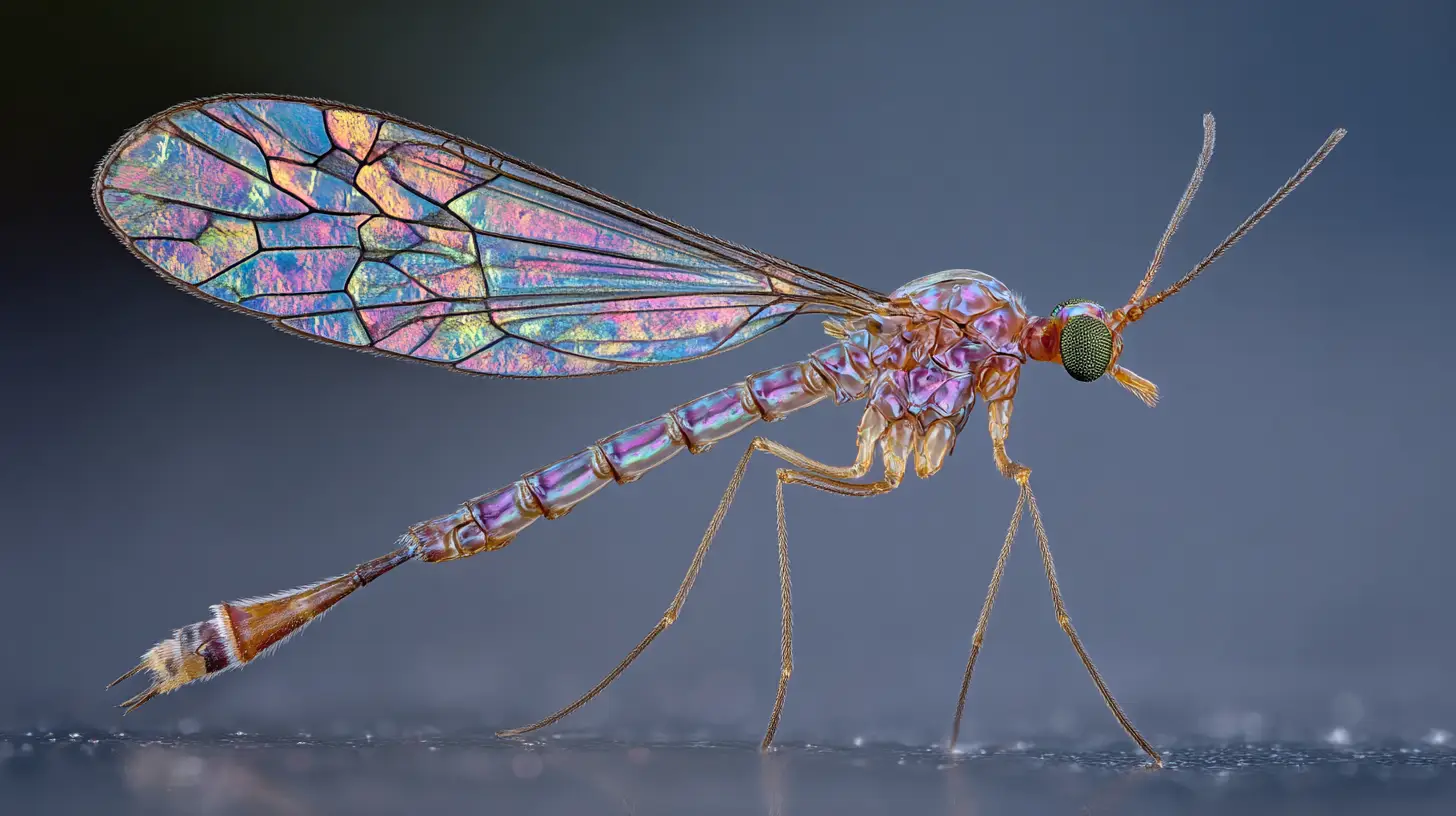
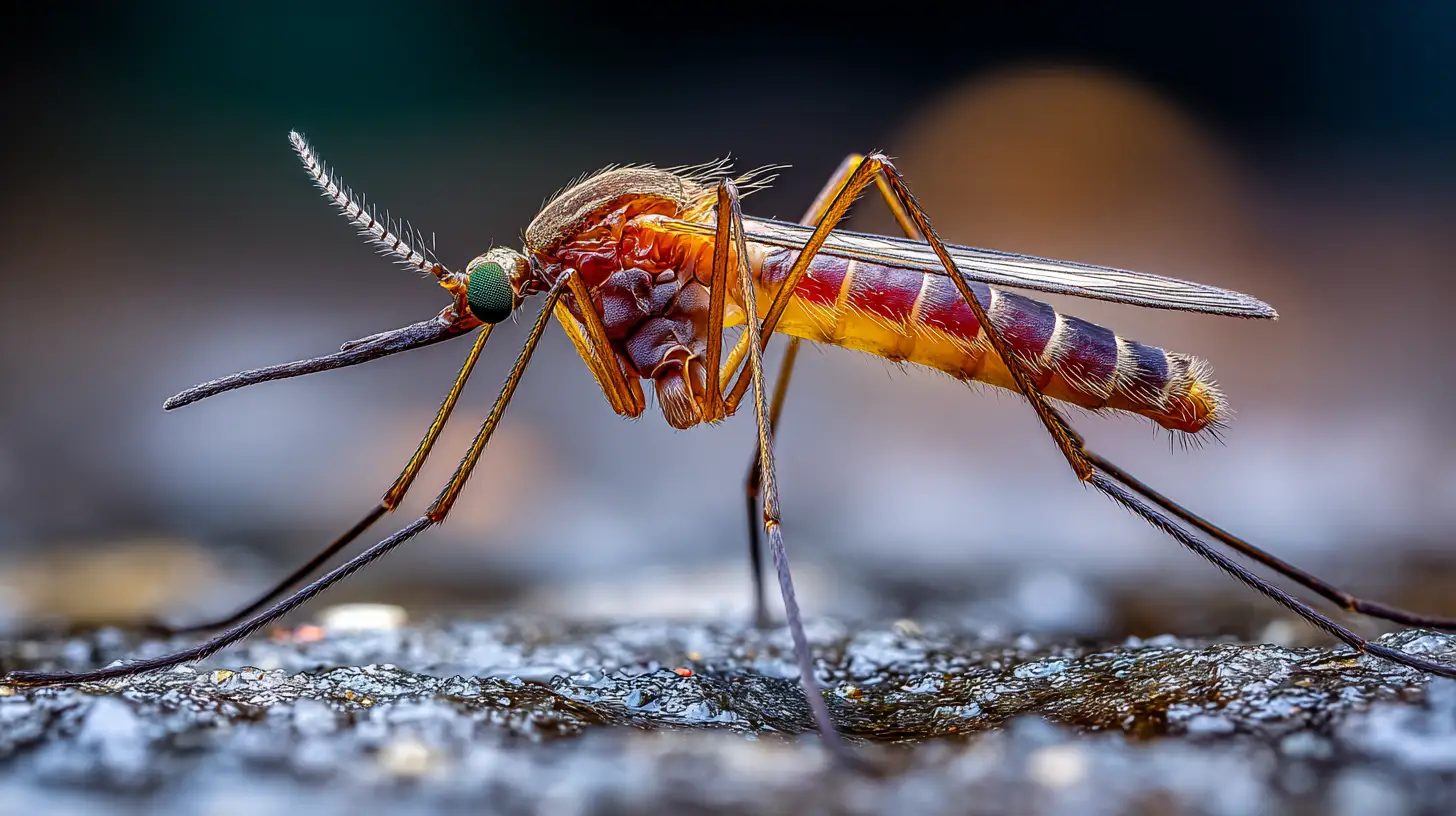
If you’ve ever stepped outside on a humid Sarasota evening and been ambushed by a buzzing cloud of tiny, mosquito-looking bugs that don’t even bite, congratulations — you’ve met aquatic midge flies. And if you’re reading this, you’re probably desperate to get rid of aquatic midge flies before they take over your patio, your pool cage, and possibly your sanity.
These “blind mosquitoes,” as they’re sometimes called, don’t bite. But when they swarm by the thousands, coating walls, cars, and porch lights, they turn lakefront living into a sticky, smelly nightmare. The truth? Getting rid of them takes more than a can of bug spray. It takes a plan — one that tackles the real issue hiding under the surface. Literally.
Key Takeaways:
- Aquatic midge flies don’t bite, but they are incredibly annoying.
- Their larvae thrive in nutrient-rich muck at the bottom of Sarasota’s lakes and ponds.
- Real control means cleaning up the water, not just killing the adults.
- Methods like aeration, fish stocking, and smart lighting target the water and the swarms.
- Professional pest control in Sarasota can help you design a strategy.
Why Sarasota Gets So Many Midge Flies
Let’s be honest — Sarasota is gorgeous. Sunshine, waterfronts, palm trees. But the same warm, nutrient-filled lakes that look picture-perfect to us are basically five-star resorts for aquatic midge larvae. These tiny red “bloodworms” thrive in the organic muck that builds up at the bottom of ponds.
That muck — made of decaying leaves, algae, fertilizer runoff, and yard waste — is a buffet for midges. When they’re ready to emerge as adults, they shoot up through the water and form those infamous nighttime swarms. And because Sarasota’s climate rarely cools down, midges can breed multiple times a year. So if your lake has poor circulation or too many nutrients, you’re signing up for a nearly constant midge season.
Step One: Start With the Water (Always)
The lake isn’t just a view — it’s an ecosystem. And healthy lakes don’t host midge explosions. Cleaning up your water is the first step in trying to get rid of aquatic midge flies.
Here’s how to do it:
Clean Up Nutrient Runoff
Fertilizer is the silent villain here. It feeds algae, which feeds midge larvae. Create an unfertilized buffer zone around the lake — no mowing to the water’s edge. Native plants like soft rush, pickerelweed, and duck potato soak up excess nutrients and look beautiful doing it.
Also, keep grass clippings, pet waste, and yard debris out of the lake. Every bit of organic matter that lands in the water adds to the muck that midges love.
Improve Circulation
Still water equals happy midges. Moving water equals fewer midges. Installing a diffused aeration system (a fancy way of saying “bubblers on the lake bottom”) helps oxygenate the water and disrupt the larvae’s habitat.
If a big system isn’t in the budget, even a decorative fountain or surface aerator helps. Sarasota’s natural breezes can do some of the work too — just make sure dense vegetation or fences aren’t blocking airflow across your lake.
Step Two: Stock Up on Natural Predators
Nothing says “natural pest control” like letting nature do the dirty work. Certain fish species absolutely love eating midge larvae, and stocking your lake with the right mix keeps populations balanced.
- Bluegill and Redear Sunfish (Bream): Excellent bottom feeders that munch on larvae.
- Mosquitofish (Gambusia holbrooki): Sarasota’s natural mosquito fighters — small but mighty.
- Sailfin Mollies: Great for shallow edges, plus they’re native and hardy.
- Catfish or Grass Carp: Large bottom feeders that reduce organic buildup (permits may be needed for carp).
Check with Florida Fish & Wildlife Conservation Commission (FWC) before stocking — they’ll tell you what’s allowed and where to get the fish legally and safely.
Bonus: these species help balance your lake and improve fishing opportunities for residents. So yes, you can reduce bugs and catch dinner.
Step Three: Make Your Lake Uncomfortable for Midges
You can’t “kill” your way out of a midge problem, but you can make your lake the last place they’d want to raise larvae.
Reduce Algae & Muck
Since midge larvae eat algae and decaying matter, removing that buffet is key. Try:
- Encouraging native aquatic plants to outcompete algae for nutrients.
- Using beneficial bacteria products that digest organic matter naturally.
- Aerating to boost oxygen and speed up decomposition.
In extreme cases, professional muck removal might be necessary, but steady maintenance is where most lake work starts.
Add Aeration & Wind
Aeration isn’t just about water movement; it changes the chemistry of the lake. More oxygen means fewer anaerobic bacteria (the kind that create that sulfur “rotten egg” smell) and fewer midge larvae hiding in low-oxygen muck.
Also, keep those sea breezes flowing. If your lake is surrounded by tall hedges or fences, open up the shoreline a bit. Wind and wave action naturally disrupt midge egg-laying.
Step Four: Rethink Your Lighting (Seriously)
Midges are obsessed with light — particularly bright, cool-toned ones. That’s why your porch, pool, and streetlamps become their favorite hangouts at night.
Simple fixes:
- Swap white LEDs for warm amber or yellow “bug lights.”
- Point lights downward, not out toward the lake.
- Add motion sensors or timers so lights aren’t on all night.
If your HOA coordinates lighting retrofits, this can help reduce swarms.
Step Five: Biological & Chemical Controls
For really stubborn midge populations, there are a few targeted products that can help.
Bacillus thuringiensis israelensis (Bti)
This naturally occurring bacteria kills fly larvae (including midges) when ingested. It must be applied as the label directs. Local pest control in Sarasota services often use Bti in granular or pellet form.
Insect Growth Regulators (IGRs)
Products like (S)-methoprene disrupt the midge life cycle by preventing larvae from becoming adults. They’re slow-acting and are used alongside aeration and fish stocking. Must be applied by licensed professionals.
Step Six: Community Cooperation (Because Midges Don’t Respect Property Lines)
One homeowner can make improvements, but real success happens when the whole lakefront community joins in. That means:
- Educating residents on fertilizer limits and Florida-Friendly Landscaping.
- Hosting cleanup days to remove debris around the water.
- Coordinating aeration or lighting projects through your HOA.
- Tracking midge activity and water quality over time to measure progress.
Sarasota County’s UF/IFAS Extension Office is an incredible free resource. They’ll even visit your community to provide guidance on water quality testing, native planting, and integrated pest management.
The Reality Check: You’ll Never Eliminate Them Completely
Here’s the truth nobody likes to hear: you can’t completely erase midges from a Florida lake. They’re part of the ecosystem — food for fish, birds, and dragonflies. The goal isn’t perfection. It’s balance.
When you manage your lake properly, midges can go from a full-blown nuisance to a background presence. Your evenings outdoors can become more bearable again.
And when maintenance gets tricky, local pros like Waves Pest Control can design a plan tailored to your lake — one that combines science, sustainability, and Sarasota common sense.
Final Thoughts
Sarasota living is supposed to be about sunsets and fresh air, not scraping midge residue off your lanai every week. With a bit of water management, community coordination, and help from local experts, you can finally get your lake — and your sanity — back.
Waves Pest Control helps Sarasota homeowners and HOAs reduce aquatic midge fly infestations the smart way.
Ready to reclaim your waterfront?
Call Waves Pest Control today for a free consultation and start enjoying your evenings again.
Frequently Asked Questions (FAQs)
What are aquatic midge flies?
They’re small, mosquito-like insects that breed in water but don’t bite. Their larvae live in lake sediment, feeding on algae and decaying matter.
How long do they live?
Adult midges live only a few days — but because multiple generations emerge each year, it can feel like they never go away.
Do pest control companies really help?
Absolutely — especially when they use integrated pest management (IPM) techniques that treat both larvae and adults. Waves Pest Control in Sarasota specializes in science-based methods.
Can I spray my yard to stop them?
You can, but it’s a temporary fix. Spraying adult midges only kills what’s flying right now. The real battle is in the lake — that’s where professionals focus for lasting control.
Are midges dangerous?
They don’t bite or sting. But they can trigger allergies, stain walls, and make your outdoor spaces miserable.